
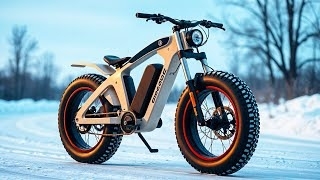
The evolution of electric off-road motorcycles has accelerated dramatically in recent years, transforming what were once considered novelty items into sophisticated machines that rival their gas-powered counterparts in capability and performance. For riders seeking the best electric dirt bike in today’s market, understanding the technological innovations driving this transformation is essential for making informed decisions.
1. Solid-State Battery Revolution
The single most significant advancement enabling the current generation of high-performance electric dirt bikes has been the commercial deployment of solid-state battery technology. Unlike conventional lithium-ion batteries with liquid electrolytes, these next-generation power sources utilize solid ceramic or polymer electrolytes that dramatically improve energy density while enhancing safety and longevity.
The practical impact for riders has been transformative: energy density has increased from 260Wh/kg in 2023 to approximately 410Wh/kg today – a 58% improvement that directly translates to extended range and reduced weight. The typical solid-state battery pack weighs 22 pounds less than its 2023 lithium-ion equivalent while delivering 45% more usable range under identical riding conditions.
Safety characteristics have similarly improved, with solid-state cells eliminating the thermal runaway risks associated with traditional lithium-ion batteries. This enhanced safety profile has proven particularly valuable in off-road applications where impacts and exposure to extreme conditions are inevitable. Current-generation batteries withstand punctures, crushes, and direct impacts without the catastrophic failure modes that concerned early adopters.
2. Adaptive Power Delivery Systems
The electric bike motor technology deployed in premium off-road models has evolved far beyond simple electric propulsion to incorporate sophisticated adaptive systems that continuously optimize power delivery based on terrain conditions, rider inputs, and available traction.
Advanced models now feature terrain recognition technology utilizing gyroscopic sensors and accelerometers that detect surface characteristics and bike orientation 1,000+ times per second. This real-time data enables microsecond adjustments to power delivery, automatically reducing torque when wheel slip is detected and increasing assistance when additional traction becomes available.
The rider experience these systems create represents a fundamental departure from both traditional electric motors and internal combustion engines. Rather than the binary on/off power delivery of early electric systems or the delayed response of gas engines, these adaptive systems provide precisely calibrated power that maintains optimal traction across widely varying conditions without requiring perfect throttle control from the rider.
3. Regenerative Braking Evolution
Regenerative braking technology has progressed from a minor range-extension feature to a sophisticated system that significantly enhances both battery efficiency and riding dynamics. Unlike early implementations that created unnatural “engine braking” sensations, current systems precisely modulate regenerative force to complement mechanical brakes while recovering energy that would otherwise be lost as heat.
The most advanced systems now recover up to 32% of expended energy during typical off-road riding sessions – nearly double the recovery rates of 2023 models. This efficiency improvement directly translates to extended range, with regenerative systems adding 15-20 miles of typical off-road riding distance compared to non-regenerative designs with identical battery capacity.
Tap into Techsslash for valuable guides, how-tos, and reviews on mobile tech, entertainment, beauty, and everything in between.
Beyond mere efficiency, these systems enhance riding dynamics by providing adjustable engine braking effects that mimic the compression braking of four-stroke gas engines. Riders can select regenerative profiles that match their previous gas bike experience, creating familiar handling characteristics while simultaneously extending range through energy recovery.
4. Adaptive Suspension Integration
The unique weight distribution and power delivery characteristics of electric powertrains have driven the development of purpose-built suspension systems that dynamically adapt to both terrain conditions and the instantaneous torque delivery of electric motors.
Premium models now feature electronically controlled suspension systems that adjust compression and rebound damping in real-time based on data from multiple sensors monitoring wheel position, bike attitude, and motor output. These systems stiffen damping circuits during heavy acceleration to counteract weight transfer, then immediately soften when obstacles are encountered to maintain tire contact with variable terrain.
The most sophisticated implementations incorporate predictive capabilities using topographical mapping data from GPS systems. These forward-looking systems pre-adjust suspension parameters moments before encountering known terrain features, optimizing setup for upcoming obstacles rather than merely reacting to impacts as they occur.
5. Sound Enhancement Engineering
While the silent operation of electric dirt bikes offers significant advantages for trail access and environmental impact, manufacturers have recognized that sound provides valuable feedback for riders accustomed to auditory cues from internal combustion engines. The latest models incorporate sophisticated acoustic engineering that generates purposeful sound profiles without the environmental impact of actual engine noise.
Unlike crude speaker systems that simply play recorded engine sounds, these advanced implementations generate acoustic feedback directly related to power application, motor load, and riding dynamics. The resulting sounds provide intuitive information about traction conditions and power utilization while remaining approximately 60% quieter than the quietest gas dirt bikes.
The sound design process has evolved into a sophisticated engineering discipline, with manufacturers employing psychoacoustic experts to develop audio profiles that communicate useful information without creating noise pollution. These systems typically offer multiple selectable profiles, allowing riders to choose sound characteristics that match their information preferences while remaining environmentally conscious.
Discover new tech, trending fashion, and entertainment buzz on Techsslash—a platform built for forward-thinking, connected readers.
6. Modular Design Architecture
The rapid evolution of electric dirt bike technology has necessitated new approaches to product design that prevent entire bikes from becoming obsolete as key components advance. The industry has increasingly embraced modular architectures that allow critical subsystems—particularly batteries and motors—to be upgraded independently as technology progresses.
Leading manufacturers now design frames with standardized battery interfaces and motor mounting systems that accommodate next-generation components. This approach allows owners to upgrade to improved battery technology without replacing entire vehicles, extending the practical lifespan of the base chassis and peripheral components that typically remain relevant for many years.
This modularity extends to software systems through over-the-air update capabilities that continuously enhance functionality throughout ownership. Performance characteristics, power delivery mapping, and even suspension settings receive periodic refinements through wireless updates, ensuring that bikes improve rather than deteriorate throughout their operational lifespan.
7. Connectivity and Data Utilization
The integration of connectivity features has transformed electric dirt bikes from isolated machines into nodes within broader digital ecosystems that enhance both performance and ownership experience. Advanced telemetry systems continuously monitor component health, usage patterns, and performance metrics, utilizing this data to optimize individual bikes while contributing to fleet-wide improvements.
Riders benefit from detailed performance analysis that was previously available only to factory racing teams. Comprehensive ride data including suspension utilization, power application, and energy consumption patterns help identify improvement opportunities in both equipment setup and riding technique. This data-driven approach has accelerated skill development for riders transitioning from gas bikes, shortening the adaptation period required to maximize electric performance.
Preventative maintenance has similarly evolved through continuous component monitoring that identifies emerging issues before they cause failures. Battery management systems track cell-level performance to predict degradation before capacity loss becomes noticeable, while motor controllers monitor electrical characteristics that indicate bearing wear or other developing concerns.
Techsslash delivers meaningful stories and updates on technology, web trends, and personal style for today’s fast-paced world.
These seven technological advances represent the foundation of electric dirt bike performance in 2025, collectively transforming what were once compromise-laden alternatives into purpose-built machines with distinct advantages over traditional technologies. As these systems continue evolving and costs decrease through manufacturing scale, the transition toward electric propulsion in off-road applications appears poised to accelerate throughout the coming years.