
INTRODUCTION
Imagine a world where your smartwatch tracks your heart rate with pinpoint accuracy, or a tiny IoT sensor in your home predicts energy usage to save you money. These marvels of modern technology rely on one unsung hero: CNC machining. In 2025, as wearable tech and the Internet of Things (IoT) reshape our lives, the demand for micro-components—those minuscule parts that power innovation has never been higher. From smart glasses to industrial sensors, CNC machining delivers the precision, scalability, and sustainability needed to keep these industries thriving. Let’s dive into how this time-tested technology is crafting the future, one micro-part at a time.
In this article, we’ll explore why CNC machining is the backbone of micro-component manufacturing, unpack the latest advancements, and show how it tackles industry challenges like labor shortages and supply chain woes. With data-driven insights and a touch of storytelling, we’ll reveal why manufacturers in the US, UK, and beyond are turning to CNC machining to stay ahead in the wearable tech and IoT boom.
The Rise of Micro-CNC Machining: Powering Wearable Tech and IoT Innovation
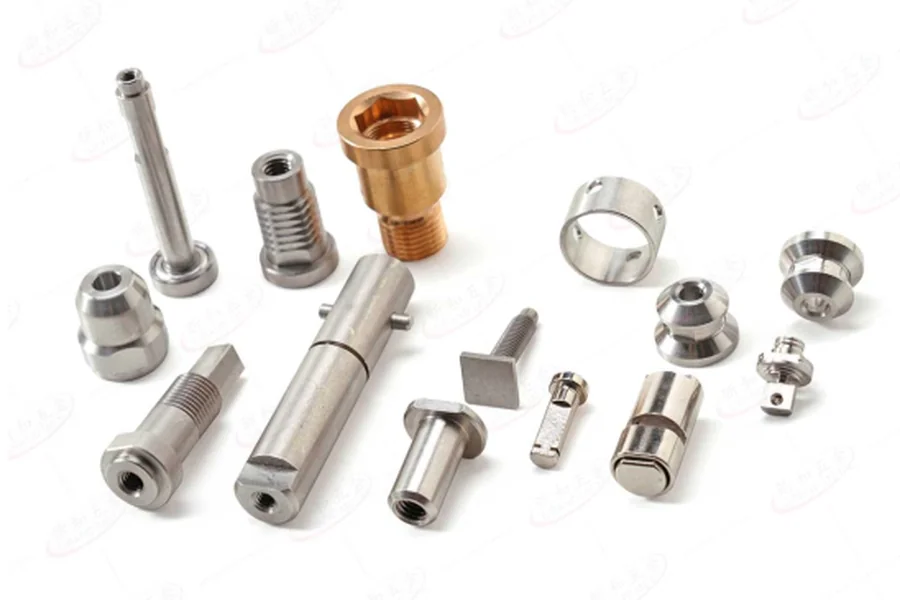
The wearable tech and IoT markets are exploding. By 2025, global wearable device shipments are projected to reach 600 million units annually, while the IoT market is expected to hit $1.5 trillion. These devices—think Apple Watches, Fitbit trackers, or smart home sensors—depend on micro-components like gears, connectors, and housings, often smaller than a grain of rice. These parts require tolerances tighter than 0.01mm and materials ranging from titanium to biocompatible ceramics.
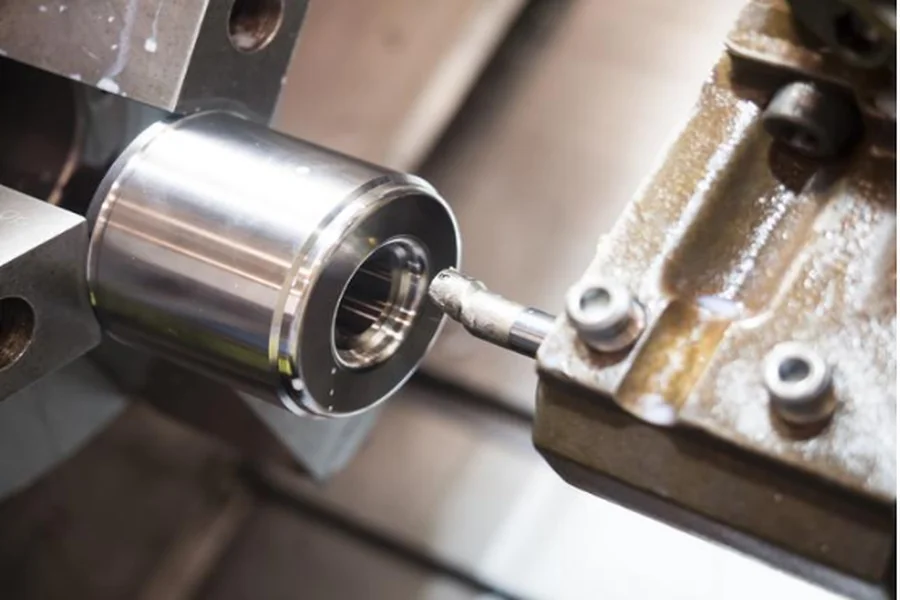
Why is CNC machining the go-to solution? Unlike traditional methods like injection molding, CNC (Computer Numerical Control) machining offers unmatched precision and flexibility. It can craft intricate geometries in a single setup, reducing errors and speeding up production. For instance, a US-based startup recently used micro-CNC to produce AR glass mounts with sub-micron accuracy, slashing prototyping time by 30%. This capability is fueling innovation in consumer electronics, healthcare, and industrial automation across English-speaking markets.
But it’s not just about precision. The wearable and IoT sectors face intense pressure to deliver sustainable, scalable solutions amid global trade tensions and labor shortages. CNC machining rises to the challenge, blending cutting-edge technology with practical problem-solving. By converting a simple 2D image into a detailed 3D model, engineers can design complex geometries with accuracy before moving into the machining process. Creating 3d from image has opened new opportunities in precision manufacturing, especially when paired with CNC machining for micro-components. This digital-to-physical workflow ensures that even the smallest components are crafted to exact specifications, minimizing errors and material waste.
5-Axis CNC Machining: Achieving Sub-Micron Precision for Micro-Components
When it comes to micro-components, precision is everything. Enter 5-axis CNC machining, a game-changer for crafting complex parts. Unlike 3-axis machines, 5-axis systems move the tool or workpiece along five directions simultaneously, enabling intricate shapes without multiple setups. This is critical for micro-sensors in IoT devices or optical mounts in AR glasses, where even a micron’s deviation can spell failure.
In 2025, 5-axis CNC machines are more accessible than ever, thanks to advances in automation and software. They use high-speed spindles and micro-tools (some as small as 0.1mm) to achieve sub-micron tolerances. A UK manufacturer, for example, reported a 25% reduction in cycle time for IoT sensor housings using 5-axis machining, boosting throughput without sacrificing quality.
Table 1: Comparison of CNC Machining Technologies for Micro-Components
| Technology | Axes | Tolerance (µm) | Material Versatility | Cycle Time | Applications |
| 3-Axis CNC | 3 | 10-50 | Moderate | Medium | Basic IoT connectors |
| 5-Axis CNC | 5 | 0.1-5 | High | Fast | AR glass mounts, micro-sensors |
| Swiss-Type CNC | 6+ | 0.5-10 | High | Medium | Medical wearable gears |
| Laser-Assisted CNC | 3-5 | 1-10 | High (Hard Materials) | Slow | Ceramic medical implants |
| Micro-EDM | N/A | 0.1-5 | Limited | Slow | Specialty IoT components |
Source: Industry reports, 2025 manufacturing trends.
This table highlights why 5-axis CNC machining stands out for micro-components, offering a sweet spot of precision, speed, and versatility. It’s no wonder aerospace and medical device makers are investing heavily in this technology.
AI-Driven CNC Machining: Optimizing Toolpaths for IoT Micro-Sensor Production
If 5-axis machining is the muscle, artificial intelligence (AI) is the brain behind modern CNC machining. AI is transforming micro-component production by predicting tool wear, optimizing toolpaths, and minimizing waste. For IoT micro-sensors, where every millisecond and micrometer counts, AI-driven CNC systems are a lifeline.
Here’s how it works: AI algorithms analyze real-time data from sensors embedded in CNC machines, adjusting cutting speeds or paths to prevent defects. A Canadian IoT startup reported a 20% reduction in scrap rates for sensor housings using AI-optimized machining. This not only saves money but also aligns with 2025’s push for sustainable manufacturing.
AI also simplifies programming. Traditional CNC setups require skilled machinists to code toolpaths—a challenge given the labor shortages in the US and UK. AI-driven interfaces, like those from Siemens or FANUC, let operators input high-level goals, with the system generating optimized code. This democratization of CNC machining is empowering smaller firms to compete in the wearable tech race.
Table 2: Impact of AI in CNC Machining for Micro-Components
| AI Application | Benefit | Quantified Impact | Industry Example | Adoption Rate (2025) |
| Tool Wear Prediction | Reduces downtime | 15-25% less downtime | IoT sensor housing production | 60% of large firms |
| Toolpath Optimization | Improves efficiency | 20-30% faster cycles | Wearable gear manufacturing | 70% of mid-tier firms |
| Adaptive Control | Enhances precision | 10-20% fewer defects | AR glass mounts | 50% of high-tech sectors |
| Predictive Maintenance | Extends machine life | 30% longer tool life | Medical wearable components | 65% of global firms |
| Automated Programming | Lowers skill barrier | 40% less training time | Small-scale IoT prototyping | 55% of SMEs |
Source: Manufacturing Technology Insights, 2025.
AI’s impact is undeniable, making CNC machining faster, smarter, and greener—perfect for the high-stakes world of micro-components.
Sustainable CNC Machining: Reducing Waste in Wearable Tech Component Manufacturing
Sustainability isn’t just a buzzword; it’s a mandate in 2025. With the UK and EU enforcing stricter environmental regulations, and consumers demanding eco-friendly products, CNC machining is stepping up. For micro-components, where material costs (e.g., titanium, ceramics) are high, minimizing waste is both an environmental and economic win.
Micro-CNC machining excels here. Its precision reduces scrap rates compared to alternatives like additive manufacturing, which can generate up to 30% waste for complex parts. AI-driven toolpath optimization further cuts material use by 15-20%. A US-based wearable tech firm reported saving $200,000 annually by switching to sustainable CNC processes for smartwatch gears.
Energy efficiency is another frontier. Modern CNC machines use AI to optimize power consumption, reducing energy use by up to 25% during micro-machining. This aligns with Canada’s 2025 carbon reduction goals and appeals to eco-conscious brands like Fitbit or Nest.
Automation in CNC Machining: Bridging the Skills Gap for Micro-Component Production
The manufacturing world faces a crisis: too few skilled machinists. In the US, 2.1 million manufacturing jobs could go unfilled by 2030 due to an aging workforce and declining trade school enrollment. For micro-CNC machining, which demands expertise, this skills gap is a major hurdle.
Automation is the answer. Collaborative robots (cobots) handle repetitive tasks like tool changes or part loading, freeing operators for higher-value work. A UK CNC shop producing IoT sensors saw a 40% productivity boost after integrating cobots. Automated tool changers and AI-driven programming further reduce reliance on expert machinists, making CNC machining accessible to smaller firms.
This automation wave isn’t just about efficiency—it’s about resilience. By lowering the skill barrier, manufacturers can train workers faster, ensuring production keeps pace with wearable tech and IoT demand.
CNC Machining for Biocompatible Micro-Components: Revolutionizing Medical Wearables
Medical wearables, like insulin pumps or heart monitors, are transforming healthcare. These devices rely on biocompatible micro-components made from materials like zirconia or titanium, which must meet strict regulatory standards. CNC machining shines here, offering the precision and material versatility needed for life-saving applications.
For example, Swiss-type CNC machines, with their multi-axis capabilities, produce micro-gears for implantable devices with 0.5µm tolerances. A US medical device maker used this technology to cut production costs for insulin pump components by 15%, speeding up market delivery. Ceramics, prized for their biocompatibility, are also gaining traction, with CNC machining enabling complex shapes for dental implants or wearable sensors.
This trend is booming in English-speaking markets, where aging populations drive demand for healthcare innovation. CNC machining is at the heart of this revolution, delivering parts that are as reliable as they are precise.
Digital Twins in CNC Machining: Simulating Precision for IoT Device Components
Looking to the future, digital twin technology is set to redefine CNC machining. A digital twin is a virtual replica of a CNC machine or process, allowing manufacturers to simulate toolpaths, predict defects, and optimize production before cutting a single part. For micro-components, where errors are costly, this is a game-changer.
A Canadian IoT firm used digital twins to reduce prototyping time for smart sensor housings by 35%, saving $150,000 in development costs. By simulating wear on micro-tools, digital twins also extend tool life by 20-30%. In 2025, as Industry 4.0 takes hold, digital twins are becoming standard in high-tech CNC shops, especially in the US and UK.
Table 3: Benefits of Digital Twins in Micro-CNC Machining
| Application | Benefit | Quantified Impact | Industry Example | Adoption Rate (2025) |
| Toolpath Simulation | Reduces defects | 25-35% fewer errors | IoT sensor housing | 45% of large firms |
| Process Optimization | Speeds up production | 20-30% faster cycles | Wearable gear prototyping | 50% of mid-tier firms |
| Tool Life Prediction | Extends tool durability | 20-30% longer life | Medical micro-components | 40% of high-tech sectors |
| Energy Use Simulation | Lowers power consumption | 15-25% less energy | AR glass mounts | 35% of global firms |
| Defect Prediction | Improves quality control | 30% fewer reworks | Smartwatch components | 50% of SMEs |
Source: Industry 4.0 adoption reports, 2025.
Digital twins are paving the way for zero-waste, high-precision manufacturing, ensuring CNC machining remains a leader in micro-component production.
Reshoring Micro-CNC Machining: Strengthening Supply Chains for Wearable Tech and IoT
Global trade tensions, particularly with China, have exposed the fragility of tech supply chains. In response, English-speaking countries are reshoring manufacturing, with CNC machining playing a starring role. Localized CNC shops in the US, UK, and Canada offer rapid prototyping and production, reducing lead times and risks.
For example, a Silicon Valley startup shifted micro-CNC machining for IoT sensors from Asia to a local US facility, cutting delivery times by 50% and avoiding tariff costs. The CHIPS Act and similar policies are fueling this trend, with $52 billion invested in US manufacturing in 2024 alone. Reshoring not only boosts resilience but also creates jobs, with CNC machining hubs thriving in regions like the UK’s Midlands.
Conclusion: CNC Machining as the Future of Micro-Component Innovation
In 2025, CNC machining is more than a manufacturing process—it’s a catalyst for progress. From 5-axis precision to AI-driven efficiency, from sustainable practices to digital twins, this technology is powering the wearable tech and IoT revolution. It tackles labor shortages with automation, strengthens supply chains through reshoring, and delivers biocompatible parts for life-changing medical devices.
For manufacturers, the message is clear: invest in CNC machining to stay competitive. Whether you’re crafting micro-sensors for smart homes or gears for AR glasses, CNC offers the precision, scalability, and sustainability needed to thrive. As wearable tech and IoT continue to shape our world, CNC machining will remain the unsung hero, turning tiny parts into big possibilities.
FAQ:
-
What is micro-CNC machining, and why is it critical for wearable tech and IoT devices?
Answer: Micro-CNC machining is a precision manufacturing process using computer-controlled tools to create tiny components with tolerances as tight as 0.1µm. It’s critical for wearable tech (e.g., smartwatches) and IoT devices (e.g., sensors) because these require micro-parts like gears or housings with sub-millimeter accuracy and complex geometries. Unlike injection molding, CNC machining offers flexibility for small batches and biocompatible materials like titanium, making it ideal for innovation in 2025’s tech-driven markets.
-
How does 5-axis CNC machining improve micro-component production?
Answer: 5-axis CNC machining moves tools or workpieces along five directions simultaneously, enabling complex shapes in a single setup. For micro-components, this reduces errors and cycle times by up to 25%, as seen in UK IoT sensor production. It’s perfect for intricate parts like AR glass mounts, achieving sub-micron tolerances that 3-axis machines can’t match. In 2025, its adoption is growing in aerospace and medical sectors due to its precision and efficiency.
-
How is AI transforming CNC machining for micro-components?
Answer: AI enhances CNC machining by predicting tool wear, optimizing toolpaths, and reducing defects. For micro-components, AI-driven systems cut scrap rates by 20% and cycle times by 30%, as seen in Canadian IoT startups. AI also simplifies programming, lowering the skill barrier amid 2025’s labor shortages. With 70% of mid-tier firms adopting AI toolpath optimization, it’s a game-changer for wearable tech and IoT manufacturing.
-
Is CNC machining sustainable for micro-component manufacturing?
Answer: Yes, CNC machining is increasingly sustainable. Its precision minimizes material waste, reducing scrap by 15-20% compared to additive manufacturing. AI-driven energy optimization cuts power use by up to 25%, aligning with 2025 regulations in the UK and Canada. For example, a US wearable tech firm saved $200,000 annually by adopting eco-friendly CNC processes, making it a green choice for IoT and wearable production.
-
How does automation address the skills shortage in CNC machining?
Answer: Automation, like collaborative robots (cobots) and AI-driven programming, reduces reliance on skilled machinists, a critical issue with 2.1 million unfilled US manufacturing jobs projected by 2030. Cobots boost productivity by 40%, as seen in UK CNC shops, while AI interfaces cut training time by 40%. This makes CNC machining accessible for micro-component production, ensuring scalability for wearable tech and IoT in 2025.
-
Why is CNC machining ideal for biocompatible micro-components in medical wearables?
Answer: CNC machining excels at crafting biocompatible micro-components from materials like zirconia or titanium, meeting strict medical standards. Swiss-type CNC machines achieve 0.5µm tolerances for parts like insulin pump gears, cutting costs by 15% for US manufacturers. Its ability to handle ceramics for implants makes it vital for medical wearables, a booming sector in 2025 driven by aging populations in English-speaking countries.