
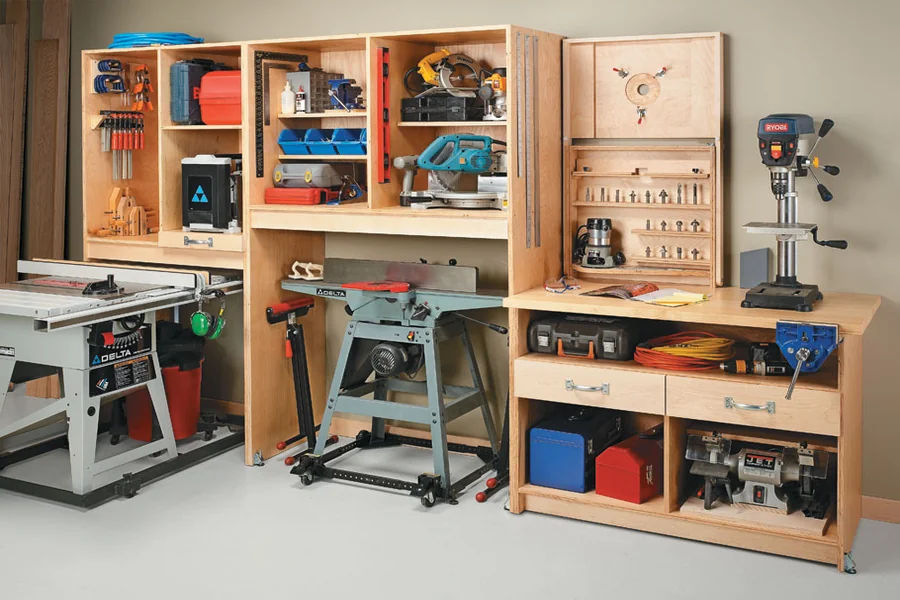
Setting up a new workshop can be fun, but diving in without a plan is where most people hit snags. Before anything else, figure out what kind of work you’ll actually be doing. Are you mainly doing car repairs? Woodworking? Light fabrication? Your space should match your workflow, not the other way around.
Sketch a simple layout. Think about tool placement, storage needs, and how much walking back and forth you want to do during a typical job. It helps to group tools by task — welding gear in one area, hand tools in another, and so on.
Give Yourself Room to Move
Cramped workspaces make every task harder. Try to allow at least one metre of clear floor space around major workstations. If your area is tight, consider wall-mounted storage or ceiling racks to free up the floor. Foldable benches and movable carts can also help make a compact setup more versatile.
Don’t forget about airflow. A stuffy workshop is no fun, especially if you’re working with fumes or dust. Good ventilation — even just a couple of well-placed fans and open windows — can make a big difference.
Power Up Smartly
Workshops need more power than your average room. Think beyond the basic wall sockets. Where will your heavy tools plug in? Do you need three-phase power? Would a few ceiling-mounted extension reels help keep cords off the floor?
Install more outlets than you think you need, and space them around the walls at bench height. Also, label your circuits and leave room on the board for expansion — you’ll probably add new gear sooner than you expect.
Don’t Cheap Out on Key Gear
Certain tools are worth spending a bit extra on. A reliable compressor, sturdy jack stands, or a quality welder won’t just work better — they’ll also keep you safer. The same goes for machines like a press, hoist, or a workshop setup that includes a quality tyre changer. If you plan on rotating tyres or dealing with wheel changes regularly, that’s one piece of equipment that’s worth choosing carefully.
Look for gear that’s easy to service and has parts available locally. Bonus points if you can try it in-store or get feedback from someone who’s used it before.
Make Safety a Habit, Not a Feature
It’s easy to overlook safety when you’re focused on function. But the best workshop setups build safety right into the routine. Fire extinguisher by the door. First aid kit within reach. Clear walking paths. And lighting — plenty of lighting. Overhead LEDs combined with adjustable task lamps work well in almost any setup.
Organise your PPE (gloves, glasses, masks) somewhere obvious. That way you’ll actually use it. And if you’ve got chemicals or flammables, invest in proper cabinets and never store them next to anything that sparks.
Stay Organised Without Going Overboard
You don’t need Pinterest-perfect tool walls to stay organised. Pegboards, magnetic strips, drawer dividers, and bins will do the job just fine. The key is to give everything a place — and return it there after each use.
Label things if you share the space with others. And consider setting aside one drawer or box for “frequent use” tools like tape measures, pens, utility knives, and gloves. It’s amazing how much smoother the day runs when you’re not constantly hunting for the basics.
Think About What’s Coming Next
Your workshop isn’t a set-it-and-forget-it kind of space. Most people tweak their setup over time as they buy new tools, take on different jobs, or outgrow what they’ve got. So build in some flexibility.
Leave open wall space where you might mount new shelves. Put mobile tools on castors. And when choosing benches or storage, think about whether they can adapt to future needs. You’ll thank yourself later when that next tool fits in without a major shuffle.
Add a Bit of Comfort
Yes, it’s a workshop — but that doesn’t mean it has to be cold and uncomfortable. A stool with a backrest, a mini fridge, a Bluetooth speaker, or even just a mat to stand on can make a long day feel a bit more manageable.
Insulating the space can also go a long way. It keeps things quieter, reduces dust drifting into other areas, and helps control the temperature a little better. Just make sure you’re still getting enough ventilation.
Ready to Get Started?
Whether you’re setting up a backyard workshop or a full-scale garage, the best setups aren’t the flashiest — they’re the ones that actually make your work easier. A bit of planning and smart investing at the start can save hours of frustration down the road.
And if you’re sorting through gear and setups, you might want to read about ways to make your garage safer. Even experienced workers benefit from fresh reminders.
Start small, stay safe, and build a space that works with you — not against you.