
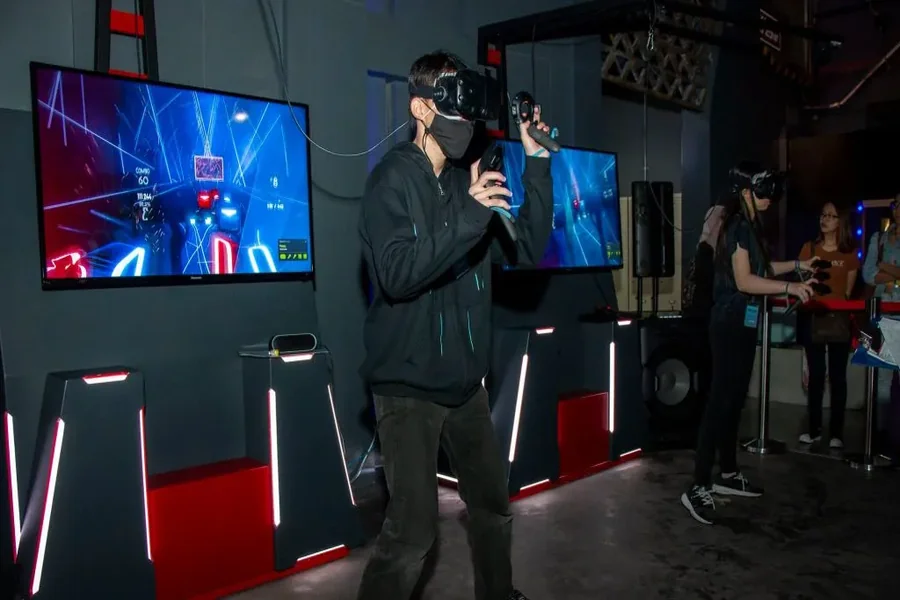
A New Era of Team Gaming
Gaming has evolved from a solo escape into a vibrant spark for connection, competition, and shared thrills. Whether it’s colleagues bonding, friends chasing fun, or a party igniting the night, games are the perfect catalyst. But for teams craving unforgettable experiences, which path delivers: the classic rhythm of video games or the immersive whirlwind of virtual reality? And how does the world of horror—especially VR horror—change the game? Let’s break down this showdown.
Video Games vs. VR Games: The Core of the Battle
What Fuels the Adventure
Video Games: These digital journeys unfold on screens—consoles, PCs, or smartphones—captivating with vibrant worlds, gripping stories, and genres for every mood.
VR Games: Slip on a headset, and you’re not just playing—you’re living the game. Motion-tracked hands and a 360-degree environment make every step feel real.
The Rise of Goosebumps
Virtual reality has shed its clunky past, stepping into the spotlight with sleek, comfortable headsets and affordable prices. Developers are crafting bold, innovative worlds that pull players in deep.
Horror games have always thrived on tension, but VR horror takes it to another level. Every creak, shadow, or sudden scare hits like it’s happening to you, accelerating pulses and searing memories.
Team Play: What Matters Most
Diving Into the World
VR games redefine immersion. You’re enveloped in a 3D realm, with spatial audio whispering threats and your hands shaping the story. It’s like stepping through a portal. Video games, packed with epic narratives and stunning visuals, keep you tethered to the screen, with a subtle divide between you and the action.
Ease of Entry
Video games are the champion of simplicity. Grab a controller or click a mouse, and you’re in—no hassle, no nausea.
VR requires headsets and a bit of space, plus a learning curve for some. But 2025’s tech is smoothing the way, making VR more accessible than ever.
Setup and Budget Impact
Video games rely on familiar gear—consoles or PCs most teams already own—keeping costs low.
VR demands headsets and sometimes space to move, but prices are dropping, and portable setups are closing the gap.
Team Synergy
Video games unite teams through voice chats or shared screens—reliable, but mostly talk-based.
VR games weave your movements, gestures, and presence into the action. Collaborating in a shared virtual world feels raw and real, forging bonds that linger, especially in team-driven quests or events.
The Horror Test: Horror Games vs. VR Horror
A creepy video game can make your heart skip, but the screen keeps the fear at a distance.
VR horror, though, is relentless. You’re inside the cursed ruins, with monsters lurking just behind you. For teams seeking adrenaline, it’s an unmatched thrill. For the faint-hearted, it might be too much.
Quick Hits: Pros and Cons
Video Games
Pros:
- Instant accessibility
- Endless genre variety
- Great for large or remote groups
Cons:
- Less visceral immersion
- Emotional stakes feel lighter
- Horror doesn’t hit as hard as VR
VR Games and VR Horror
Pros:
- Immersion that feels alive
- Intense emotional impact
- Unforgettable group moments
Cons:
- Motion sickness can strike
- Gear and space requirements
- Horror can overwhelm some
What’s Hot in 2025
Lightweight, wireless headsets make VR setup a breeze and play sessions more comfortable.
VR horror games now let teams adjust the scare level for a tailored vibe.
Hybrid gaming is soaring, allowing VR and screen players to team up for inclusive adventures.
What to Choose and Why
If your team values convenience, simplicity, and a wide range of genres, video games are a great option. But if you’re after true immersion, powerful emotions, and fresh experiences, VR games are the clear choice.