

Smartwatches are reshaping modern time culture by merging technology, lifestyle, and personal identity. They do not simply display hours and minutes but influence how people manage daily routines, track health, and communicate. With subtle reminders, biometric insights, and constant connectivity, they encourage users to think differently about how they spend every moment. Instead of viewing time only as deadlines and schedules, individuals now see it as an active resource that connects productivity, wellness, and self-expression. This evolution changes long-held traditions of punctuality and work habits, creating new cultural norms. The smartwatch has become more than a tool—it is a guide for modern living.
Ways of Shaping Modern Time Culture
Redefining the Relationship With Time
Smartwatches have transformed how people interact with time. These devices no longer simply tell the hour. They provide a continuous flow of information, blending personal schedules, health tracking, and real-time communication. The result is a shift in how individuals perceive the passage of time, as watches become both a tool and a companion in daily routines. The influence of smartwatches extends beyond simple convenience. They shape culture by redefining how society organizes, values, and experiences time. From workplace efficiency to fitness routines, smartwatches guide actions with gentle nudges, reminders, and data-driven insights. Their presence is subtle but persistent, encouraging new behaviors related to punctuality and productivity. As timekeeping evolves, culture adapts.
Technology as the New Compass
Smartwatches function as personal compasses in a world flooded with digital distractions. They allow users to prioritize what deserves attention. Instead of being overwhelmed by endless phone alerts, a quick glance at the wrist provides clarity. This subtle control over time fosters a sense of balance, as individuals decide what to address immediately and what to postpone. This capability transforms the concept of time management. It moves from being a rigid schedule to a flexible system tailored to individual needs. By filtering noise and focusing on essentials, smartwatches shape a more intentional use of every moment.
Shaping Daily Rituals
Morning routines, exercise sessions, and even sleep patterns are now guided by smartwatch reminders and metrics. Alarms no longer just wake people up; they suggest sleep goals. Fitness reminders push users to take steps or stretch at intervals. These interventions cultivate habits that directly influence modern time culture, where every minute has potential value. Instead of passively following the clock, people actively engage with it. The watch does not merely display time; it creates a feedback loop between behavior and awareness. Through this cycle, routines become refined, and efficiency grows naturally.
Bridging Physical and Digital Time
Smartwatches also bridge the gap between physical and digital worlds. Traditional watches anchored time in the physical realm, tied to hours and minutes. Now, wearable screens synchronize with calendars, emails, and cloud systems, creating a hybrid timeline. This digital connection means that time is no longer localized. Global meetings, remote collaboration, and cross-time-zone interactions feel seamless. Smartwatches unify these diverse layers, crafting a culture where time is fluid, connected, and universally accessible.
Time as Wellness, Productivity, and Identity
Wellness in Every Minute
Time has become a measure of well-being. Heart rate monitors, stress trackers, and sleep analysis redefine minutes as markers of health. Instead of only checking the clock for deadlines, users also check it for oxygen levels or recovery rates. This shift places health at the center of time culture. People no longer see time only as something to spend, but also as something to preserve. Smartwatches encourage small adjustments, such as taking a short walk, drinking water, or meditating, making health a natural part of the daily timeline.
Productivity Reimagined
Productivity used to mean doing more in less time. Smartwatches reshape this view by promoting smarter—not harder—use of hours. Task reminders, calendar synchronization, and subtle vibrations nudge people toward focus. Quick responses from the wrist reduce wasted time on larger devices. This streamlined interaction changes workplace dynamics. Employees can remain connected without being chained to phones or laptops. Time becomes less about multitasking and more about balance, creating a healthier approach to output and attention. At this point, devices like the huawei watch gt6 are often referenced as examples of how advanced wearables integrate productivity with lifestyle. The emphasis is not only on features, but on how seamlessly they blend into modern routines.
Personal Identity and Time Expression
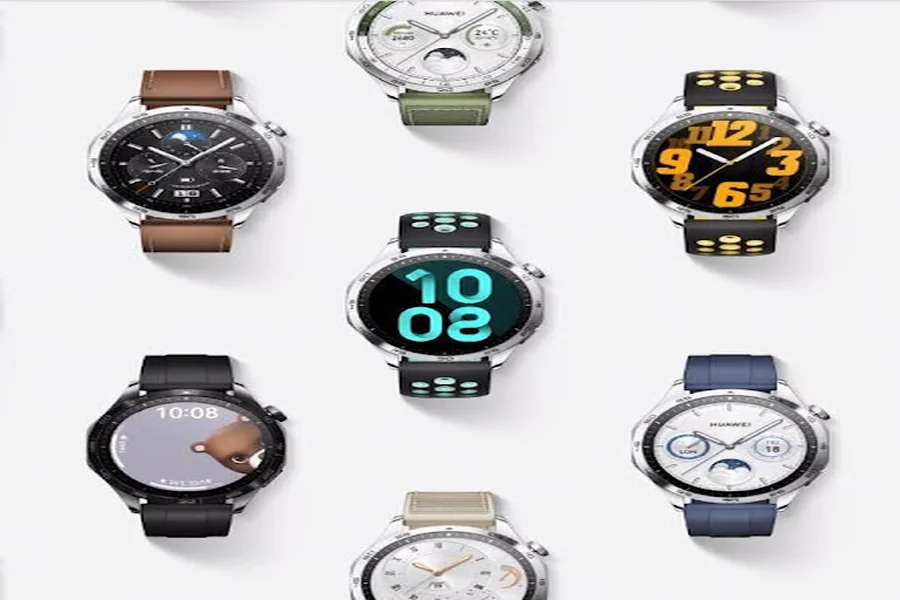
For many, a smartwatch also serves as a cultural statement. Watch faces can be customized to reflect moods, fashion choices, or priorities. Some choose minimalistic designs, while others opt for data-heavy dashboards. This personalization ties identity to time. It shows that how one views the clock is also how one presents themselves to the world. Timekeeping becomes a form of self-expression, shaping culture by linking technology with individuality. Besides, the traditional separation between work and personal life blurs when notifications arrive on the wrist.
Conclusion
Smartwatches have moved far beyond their origins as timekeeping tools. They have become cultural instruments that influence how people view hours, manage routines, and define value. By shaping daily habits, encouraging wellness, and blending the digital with the physical, they reshape time culture in profound ways.Time now carries new layers of meaning: it measures health, supports productivity, and reflects personal identity. Smartwatches serve as bridges between the traditional clock and the dynamic pace of modern life. As their influence grows, The culture of time will continue evolving, guided not only by minutes and hours, but also by insight, wellness, and individuality, as emphasized by trend2wear.