
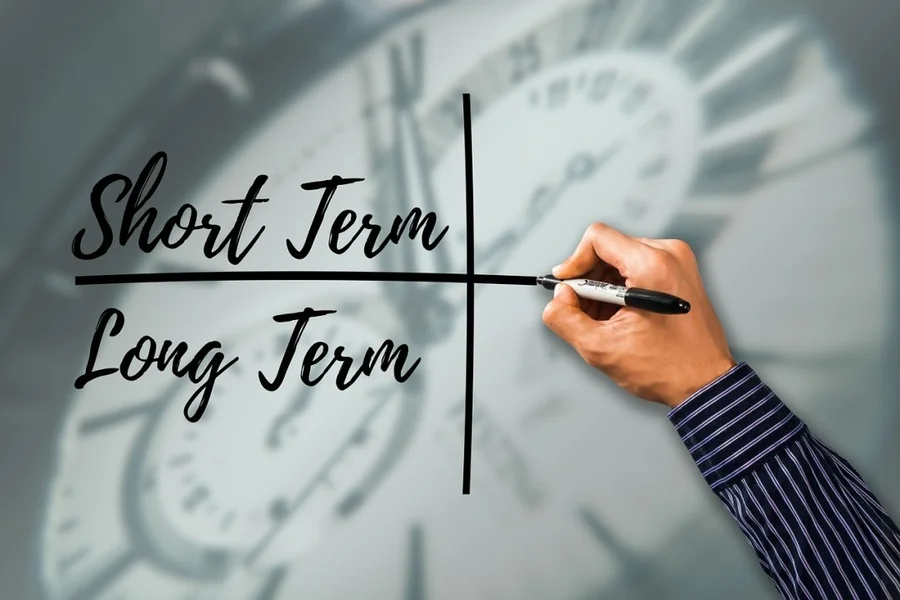
Most decisions we make are not dramatic turning points. They are small choices repeated daily. What to eat, how to spend money, whether to rest or push, and how to respond to discomfort all shape the direction of our lives. The tension between short-term satisfaction and long-term growth lives inside these ordinary moments. One offers immediate relief. The other asks for patience and trust.
Short-term satisfaction feels good because it solves something right now. It eases discomfort, boredom, or stress quickly. Long-term growth feels harder because its rewards are delayed and uncertain. Yet the difference between feeling temporarily better and becoming sustainably better often depends on which side of this tension we choose more often.
This distinction becomes especially clear during stressful periods, when immediate relief feels necessary for survival. Financial stress is a common example. When pressure is constant, quick fixes can feel like the only option. In some cases, addressing the root of the stress through structured solutions like debt settlement can reduce the urge for short-term relief and make space for decisions that support long-term growth instead.
Why Short-term Satisfaction Is So Tempting
Short-term satisfaction is appealing because it works fast. The brain is wired to seek immediate reward and avoid discomfort. When something provides instant relief, dopamine reinforces the behavior, making it more likely to happen again.
This is not a character flaw. It is biology. The challenge arises when immediate relief becomes the default response to stress, replacing choices that support growth. Over time, reliance on short-term satisfaction can create cycles that feel comforting in the moment but limiting in the long run.
Understanding this mechanism reduces self-blame and opens the door to more intentional choices.
Long-term Growth Requires Tolerating Discomfort
Long-term growth asks for delayed gratification. It requires tolerating discomfort without immediately escaping it. This might mean sticking with a routine when motivation dips or making steady progress without visible rewards.
Growth oriented choices often feel unsatisfying at first. The payoff is not instant, which makes persistence harder. However, these choices build capacity, confidence, and stability over time. What feels uncomfortable now often becomes ease later.
Growth trades urgency for durability.
The Hidden Cost of Constant Comfort
Short-term satisfaction is not free. Every choice has a cost, even if it is not immediately obvious. Comfort choices can accumulate into lost time, missed opportunities, and increased stress down the road.
For example, avoiding difficult conversations may preserve peace temporarily but create resentment over time. Overspending to feel better may ease stress briefly but increase anxiety later. These patterns feel harmless in isolation but significant in repetition.
Long-term growth considers cumulative impact rather than immediate effect.
Short-term Relief Is Sometimes Necessary
Choosing growth does not mean rejecting comfort entirely. Rest, enjoyment, and relief are essential parts of a healthy life. The issue is not short-term satisfaction itself, but dependence on it as the primary coping strategy.
The key is intention. Using short-term relief strategically supports sustainability. Using it reflexively undermines it. Knowing the difference helps maintain balance.
Growth includes recovery.
Delayed Rewards Build Stronger Confidence
Confidence built through long-term growth is different from confidence built through quick wins. It is quieter and more stable. It comes from knowing you can follow through even when things are not immediately rewarding.
This type of confidence supports resilience. When challenges arise, you trust your ability to respond rather than seeking instant escape. Over time, this trust reduces anxiety and increases autonomy.
Delayed rewards strengthen self-trust.
The Role of Habits in Choosing Growth
Habits reduce reliance on willpower. When growth-oriented behaviors become routine, the choice between short-term satisfaction and long-term growth becomes easier.
Habits act as defaults. They remove the need to decide repeatedly. This is why small consistent actions matter more than dramatic efforts. Over time, habits reshape identity.
You become someone who chooses growth naturally.
Reframing Discomfort as Investment
One helpful perspective shift is viewing discomfort as an investment rather than a threat. Effort, patience, and restraint are not punishments. They are inputs that produce future benefit. This reframing changes emotional response. Instead of resisting discomfort, you recognize its purpose. This reduces avoidance and increases follow through. The American Psychological Association explains how reframing effort and stress as meaningful improves persistence and performance.
Why Long-term Growth Often Feels Lonely
Short-term satisfaction is socially reinforced. It is visible and relatable. Long-term growth is often quiet and solitary. The rewards come later and may not be obvious to others. This can make growth choices feel isolating. Recognizing this dynamic helps normalize the experience. Growth does not always come with applause. Its impact is felt over time through increased freedom and stability. Validation is delayed, but value is real.
Balancing Present Enjoyment With Future Goals
Choosing growth does not require sacrificing all enjoyment. Sustainable growth includes intentional enjoyment that does not undermine progress. Planning for pleasure reduces the urge for impulsive relief. This balance prevents burnout and keeps growth oriented choices from feeling punitive. When present enjoyment is aligned with long-term goals, both can coexist. Balance supports consistency.
Stress Narrows Perspective
High stress pushes people toward immediate relief. When the nervous system is overloaded, long-term thinking becomes harder. Supporting stress management improves the ability to choose growth. Health organizations like the Mayo Clinic emphasize that managing stress improves decision making and impulse control.
Lower stress widens perspective.
Use Reflection to Strengthen Long-term Thinking
Regular reflection helps reinforce growth-oriented choices. Looking back at past decisions and their outcomes builds awareness of patterns. This awareness informs future choices. Reflection turns experience into insight. Insight reduces repetition of unhelpful habits. Growth accelerates when learning is intentional.
Choosing Growth Is a Practice, Not a Rule
There is no single moment where you permanently choose long-term growth over short-term satisfaction. It is a practice repeated daily. Some days will lean toward comfort. Others toward progress. What matters is the overall direction. Over time, small growth-oriented choices accumulate into meaningful change.
The Quiet Power of Long-term Growth
Short-term satisfaction solves today. Long-term growth shapes tomorrow. Neither is inherently wrong, but they serve different purposes. Awareness allows you to choose intentionally rather than automatically.
When growth becomes the guiding priority, satisfaction changes too. It becomes deeper, steadier, and less dependent on immediate relief. Over time, choosing growth transforms not just outcomes, but how life feels along the way.