
More people are turning to solar power to cut energy bills and reduce grid reliance. But solar panels alone don’t guarantee power when the sun’s not shining. That’s where home batteries come in. These storage systems let you hold onto excess solar energy and use it later, making your setup more practical day and night.
But not all batteries are created equal. From how much they store to how they’re installed, a lot of details go into getting the right fit. If you’re thinking about adding one, here’s what to consider before making the call.
Know What Size You Actually Need
Don’t assume the biggest battery is automatically the best. Most households don’t need to store an entire day’s worth of energy. What matters more is when and how you use electricity. If your peak usage happens in the evening, a medium-sized battery might be enough to cover it without overspending.
Look at your power bills for clues. A consistent pattern of high usage after sunset can be a strong case for a larger unit. On the other hand, if your home stays relatively low-draw at night, a smaller battery may do the job perfectly.
Check How It Works With Your Solar Setup
Already have panels? You’ll want a battery that plays nicely with your existing system. Some batteries only work with certain inverters, and switching equipment can get expensive. It’s worth checking if your current setup supports direct integration or if you’ll need additional gear.
Also, think about how your panels are positioned. If your system doesn’t get much sun in the late afternoon, your battery might not be full by evening, which limits its usefulness. Understanding this in advance can save headaches later on.
Understand The Warranty And Lifespan
Most home batteries have a lifespan of 8 to 15 years, but that number can vary based on use. Warranties usually guarantee a certain number of charge cycles rather than a specific time frame. If a battery is cycled heavily each day, it may reach that limit sooner.
Make sure the warranty terms are clear. Look for specifics like how many cycles are covered and what percentage of capacity the battery is expected to retain by the end of the warranty period. You want to be confident it won’t fizzle out just when it becomes most useful.
Pay Attention To Installation Requirements
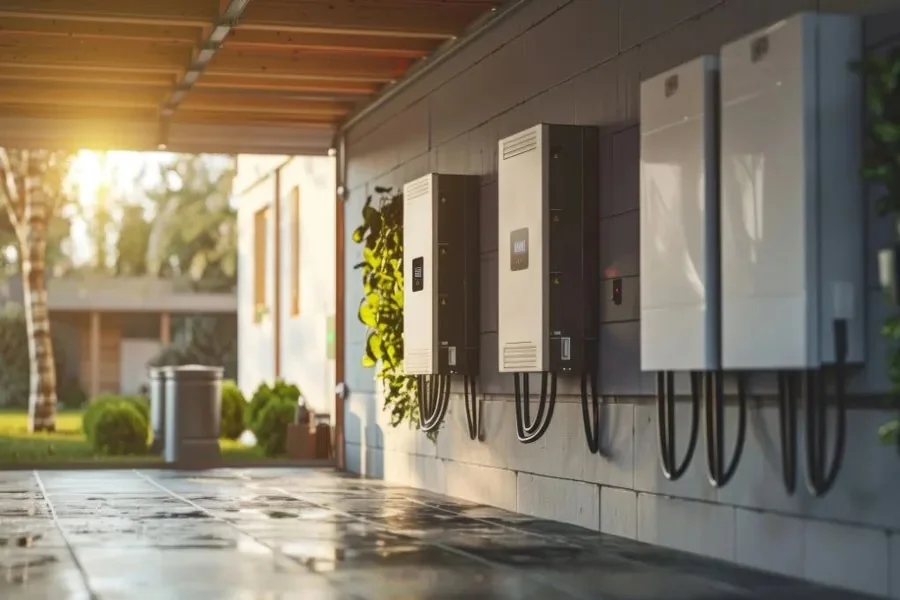
Some batteries need wall-mounting, while others sit on the floor. Either way, they need proper ventilation, protection from the weather, and enough clearance to meet safety standards. If your space is tight or exposed, you might need custom mounting or a cover to keep it safe.
That’s especially important if you’re considering a Sungrow battery cover setup for extra weather protection. Some areas can get intense heat, heavy rain, or high winds, so having the right enclosure can extend your battery’s life and keep it working reliably.
Think About How You Want To Use Stored Power
Not everyone uses their battery the same way. Some people just want to cover their evening usage and save on peak tariffs. Others want full backup during outages. Batteries that support blackout protection tend to cost more but can be worth it if reliability is a major concern.
Before choosing, decide whether your battery should run automatically during outages, or if you’re okay with manually switching circuits. Also consider if you want it to power only essentials (like the fridge and lights) or keep the whole house running.
Be Realistic About Payback Time
Home batteries aren’t cheap, and the payback period depends on your usage patterns and electricity rates. Some people break even in five to eight years, while others might take longer. If your solar system already covers most of your daytime needs, a battery may help further reduce your grid usage and boost savings—but it won’t be instant.
To make the numbers work, check if your energy provider offers special battery feed-in tariffs or time-of-use plans. You can also look into any rebates or incentives in your area, which can shave off a big chunk of the upfront cost.
Don’t Skip Safety And Maintenance
Lithium-ion batteries are generally safe, but poor installation or overheating can lead to problems. Make sure your installer is accredited and knows the specific product inside out. Ask how often the system needs maintenance or software updates, and whether remote monitoring is available.
If you’re unsure what to ask, reading up on how to choose a solar battery system can help you spot red flags and know which questions matter most.
Final Thoughts
Adding a battery to your solar setup can be a smart move, but only if it fits your home’s needs and usage. Take the time to understand how different models work, what they require, and how they’ll perform over time. With the right planning, a well-chosen battery can give you more control over your energy use without creating more work down the track.