
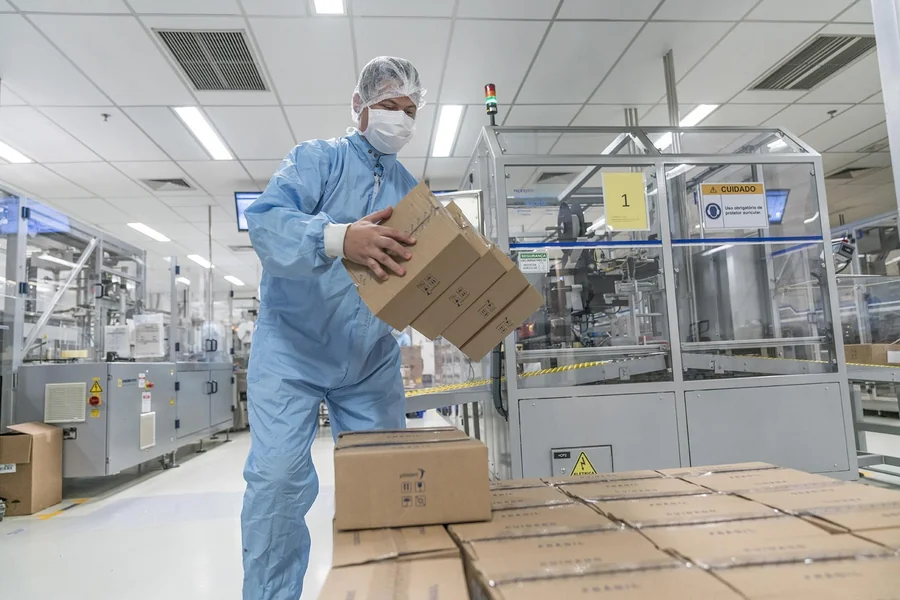
Hospital logistics mean managing supplies, equipment, and patient movement. It ensures everything is in the right place at the right time. Smooth logistics help doctors treat patients faster. That’s why hospitals need strong systems like healthcare quality control solutions.
Imagine a patient waiting for life-saving equipment that’s delayed. That delay could risk a life. Efficient logistics prevent such moments. Well-managed systems and healthcare quality control solutions make treatments safer and quicker.
Good logistics improve care by reducing wait times and mistakes. They help nurses and doctors work better together. Patients get faster services and recover sooner. Hospitals using healthcare quality control solutions can deliver better outcomes.
What Is Hospital Logistics?
Hospital logistics is the system that keeps everything running smoothly in a hospital. It includes managing supplies, medicines, and equipment. It also helps move patients and staff efficiently.
Without logistics, treatments can be delayed. That’s why hospitals rely on smart systems like healthcare quality control solutions. These systems make sure everything is safe, timely, and well-organized.
The Impact of Logistics on Patient Care
Strong hospital logistics lead to faster, safer treatments. With healthcare quality control solutions, care becomes smooth and stress-free.
1. Timely Access to Critical Supplies
Patients need life-saving tools and medicines without delay. Quick access can make all the difference in emergencies. Hospitals use healthcare quality control solutions to track and deliver supplies on time. This helps doctors act fast and save lives.
2. Faster Emergency Response
Emergencies need fast action and clear coordination. Delays can risk a patient’s life. With healthcare quality control solutions, hospitals stay ready and responsive. Every second counts, and smart logistics saves time.
3. Better Staff Coordination and Workflow
When logistics run smoothly, staff work better together. Tasks become clear, and time isn’t wasted. Healthcare quality control solutions help manage workflow with ease. This leads to faster care and fewer mistakes.
Role of Technology in Hospital Logistics
Technology is changing how hospitals manage their daily operations. With the help of smart tools and healthcare quality control solutions, logistics is now faster and safer.
- Digital systems track supplies in real-time and reduce delays.
- Healthcare quality control solutions improve data accuracy and safety.
- Robots and automation speed up medicine and equipment delivery.
- AI helps predict what supplies are needed before they run out.
- Tech tools improve staff communication and reduce confusion.
Why Healthcare Quality Control Solutions Are Essential
Hospitals must work with care, speed, and accuracy. One small mistake can risk a patient’s life. That’s why healthcare quality control solutions are so important.
They help track supplies, reduce errors, and ensure safety. These systems check every step of the process. They keep hospital logistics smooth and reliable.
Common Logistics Challenges in Hospitals
Hospitals face many daily challenges in managing logistics. Without proper systems like healthcare quality control solutions, things can quickly go wrong.
- Missing or misplaced supplies slow down treatments and waste time.
- Delayed deliveries affect patient care and emergency response.
- Expired items risk safety when not tracked properly.
- Poor inventory control leads to overstock or stockouts.
- Lack of staff training creates confusion and coordination issues.
How to Overcome These Challenges?
Hospitals can solve logistics issues with smart planning and the right tools. Using healthcare quality control solutions makes the process safer and smoother.
- Train staff properly to handle supplies and follow clear processes.
- Use digital systems for real-time inventory tracking.
- Automate supply chains to avoid delays and reduce manual errors.
- Implement healthcare quality control solutions for safer operations.
- Work with trusted vendors to ensure on-time deliveries every time.
Real-Life Example: Logistics That Saved Lives
A hospital in New York improved its emergency care with better logistics. They used digital tracking and real-time alerts. As a result, response time dropped by 40%.
More lives were saved during critical hours. The secret was using smart healthcare quality control solutions. These tools kept everything ready, even before it was needed.
The Future of Hospital Logistics
The future of hospital logistics is smart and connected. AI will predict supply needs before shortages happen. Robots may deliver tools inside hospitals.
Real-time data will boost speed and safety. Healthcare quality control solutions will lead this change. They’ll help hospitals stay ready for anything, anytime.
Quick Takeaways: Why Logistics Can Make or Break Patient Outcomes
Strong hospital logistics directly impact patient health and safety. Here’s why they matter and how healthcare quality control solutions play a vital role:
- Fast logistics mean fast treatment, especially in emergencies.
- Organized systems reduce errors during surgeries and care.
- Better staff workflow leads to smoother patient handling.
- No supply shortages thanks to smart tracking tools.
- Healthcare quality control solutions ensure everything meets high medical standards.
Final Thoughts
Hospital logistics play a big role in saving lives. From quick supply delivery to smooth staff coordination, every step matters. Delays can risk patient health, but smart planning avoids that. Using healthcare quality control solutions makes processes faster and safer.
It helps hospitals stay organized and ready for any emergency. Better logistics mean better care. In today’s world, hospitals must invest in strong systems to improve patient outcomes and build trust every day.
FAQ’s
Why Is Medical Logistics Important?
Medical logistics ensures timely supplies, smooth operations, and saves lives in critical moments.
How Do Hospitals Measure Patient Outcomes?
Hospitals track recovery rates, treatment times, patient satisfaction, and readmission rates.
What Are The 7 Functions Of Logistics?
They include planning, inventory, transportation, warehousing, packaging, information flow, and customer service.
How Does Care Management Improve Patient Outcomes?
Care management gives patients the right treatment at the right time, reducing risks and speeding recovery.