
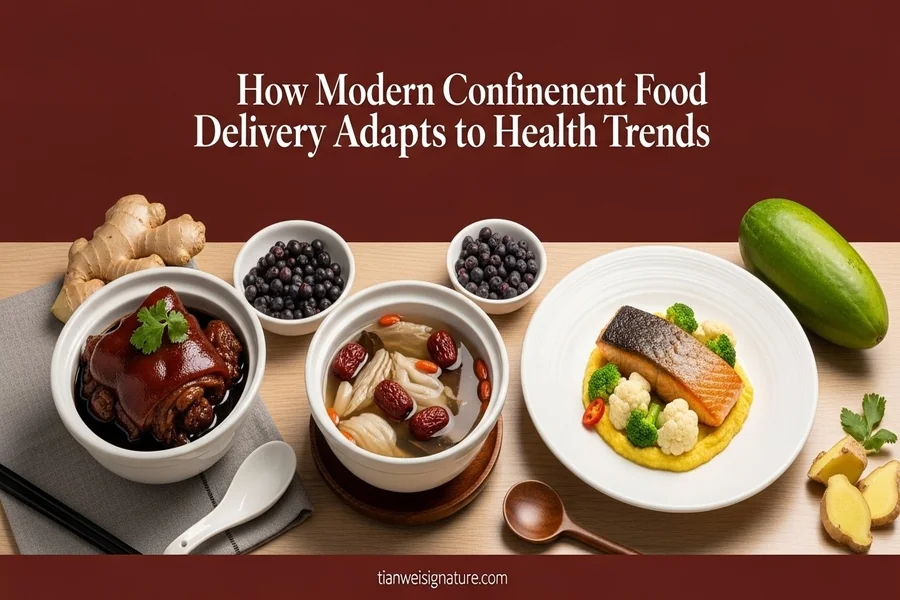
Confinement Food Delivery has changed a lot in Singapore. Today’s expecting parents are still looking for warmth, nourishment, and recovery-friendly meals, but they are also asking sharper questions about sodium levels, ingredient sourcing, and dietary needs, such as gluten-free options.
If you are a first-time parent, or you simply have no one to cook for while you recover and learn your baby’s rhythms, modern confinement meal delivery is no longer just about “traditional food”. It is about meeting health trends without losing the comfort and intention of confinement eating.
Confinement Food Delivery in Singapore: Why “Modern” Now Means Health-Aware
The best confinement food delivery Singapore providers are adapting because parents have changed. Many are managing:
- Pregnancy-related swelling or blood pressure concerns
- Postpartum appetite changes and digestive sensitivity
- Breastfeeding routines that need consistent, satisfying meals
- Household preferences for cleaner labels and lighter seasoning
At the same time, confinement still comes with familiar expectations: warming soups, balanced dishes, and daily variety that keeps you interested when days feel repetitive.
If you are comparing options, it helps to approach your confinement food delivery review with a “health trends” checklist, not just portion size and number of dishes.
Low-salt confinement meals: What to look for (and what to avoid)
“Low-salt” can mean very different things depending on who is cooking.
In large-scale catered environments, research has found that daily sodium intake can run far beyond common guidelines. One analysis of a jail menu averaged 3,847 mg of sodium per day, which is 167% of a 2,300 mg reference and even higher against stricter heart-health targets. That is a powerful reminder that when kitchens cook at scale, sodium can quietly creep up unless it is actively managed.
For Singapore confinement meal delivery, practical signs of a genuinely thoughtful low-salt approach include:
- Using herbs, aromatics, and natural ingredients for flavour instead of heavy sauces
- Clear rotation of soups and mains so meals do not rely on sodium for “variety”
- Thoughtful cooking methods like steaming, braising, and gentle stir-fries
Low-salt should not mean bland. It should mean balanced.
For an idea of how a modern menu can still feel indulgent while staying recovery-friendly, you can explore the menu style and delivery format directly on Tian Wei’s site here: visit the official website.
Organic, “cleaner” ingredients: What is realistic in confinement food delivery SG?
Many parents ask for organic produce or cleaner sourcing to gain peace of mind, especially when eating multiple meals a day from one provider.
Here is the honest reality: “organic” is not always feasible across every ingredient in a full confinement cycle, because supply can fluctuate and costs rise quickly. But modern providers can still align with the spirit of the trend by focusing on:
- Fresh procurement and consistent kitchen standards
- More vegetables and fibre across the menu rotation
- Lighter cooking that lets ingredients taste like themselves
Research on institutional food systems shows that when facilities add access to fresher produce, nutrition outcomes and meal satisfaction can improve. While confinement is not an institution, the principle carries over: freshness matters, especially when you are eating the same style of cuisine daily.
A good question to ask your provider is: What does “organic” mean in your package, and which items does it apply to?
Gluten-free and special diets: “Preference” vs “must-have”
Gluten-free requests are rising, but they can fall into two categories:
- Lifestyle preference (you feel better avoiding gluten)
- Medical need (such as coeliac disease or a diagnosed intolerance)
In high-volume kitchens, gluten-free is not just about swapping noodles or sauces. It is also about cross-contamination risk. This is so serious that legal cases in institutional settings have resulted in major settlements when medically required gluten-free meals were not provided properly.
For confinement food home delivery, the takeaway is simple: if gluten-free is a must-have, ask direct operational questions:
- Is gluten-free prepared in a separate area or with separate equipment?
- How do you handle sauces, marinades, and thickening agents?
- Can you identify dishes clearly, per delivery?
If it is a preference, you may have more flexibility, such as choosing more rice-based dishes and soups while minimising wheat-based items.
Keeping tradition, adding variety: The modern fusion approach
Many parents worry that “health trend” menus will feel like diet food. The best modern confinement food delivery keeps the comfort of tradition while introducing variety thoughtfully.
At Tian Wei, the menu concept blends traditional Chinese dishes with fusion options, with fusion dishes starting from Week 2. This helps you avoid flavour fatigue while keeping meals aligned to a recovery rhythm.
Examples of modern variety that still feels confinement-appropriate include:
- Coq Au Vin for a warming, slow-cooked comfort dish experience
- Seared Salmon with Cauliflower Cream for a lighter, satisfying plate
- Braised Pork Trotter in Black Vinegar for a familiar, traditional favourite
This matters because when you are tired, sore, and adjusting to baby’s schedule, appetite can be unpredictable. Interesting food helps you actually finish your meals, which is the point.
Breastfeeding-friendly support: Ingredients that fit modern preferences
If you are breastfeeding or planning to, your meal choices often shift. You want foods that feel comforting, warm, and practical between feeds.
Tian Wei’s approach includes ingredients commonly used in confinement meals, such as garlic, ginger, fenugreek, and green papaya, to support breast milk supply. These can be integrated into soups and dishes to complement lower-salt cooking, as aromatics and spices build flavour without heavy seasoning.
Just as importantly, consistency helps. Two deliveries a day mean lunch and dinner arrive fresh, which makes it easier to eat on time even when your baby’s naps are short.
A quick comparison table: Health trends and what to ask before you book
| Health trend | What it can look like in confinement meals | What to ask your provider |
| Low-salt | Less reliance on sauces, more natural aromatics | “How do you keep flavour without heavy sodium?” |
| Organic / cleaner sourcing | Fresher produce, lighter cooking, clearer ingredient standards | “Which ingredients are organic, and how consistent is the supply?” |
| Gluten-free | Ingredient swaps plus cross-contamination controls | “How do you prevent cross-contact in the kitchen?” |
| Postpartum support | Balanced proteins, soups, warming ingredients | “How is the menu structured across the weeks?” |
Planning tips for first-time parents (and anyone without help at home)
Confinement is not the best time to experiment with cooking logistics. If you are doing night feeds, managing visitors, or healing from delivery, decision fatigue is real.
When evaluating Singapore confinement meal delivery, prioritise:
- A menu you can happily eat for weeks, not just day one
- Clear accommodation processes if you have dietary needs
- Delivery reliability, because missed meals feel bigger postpartum
- Variety across weeks so you stay interested and nourished
Choosing modern confinement food delivery without losing the “confinement” heart
Low-salt, organic preferences, and gluten-free needs are not fads when you are eating multiple delivered meals daily. They are practical filters that help you feel comfortable, confident, and cared for.
The sweet spot is a provider that keeps the essence of confinement food while updating the execution: thoughtful seasoning, fresher-tasting dishes, clear dietary handling, and enough variety to make you look forward to your next meal.
Book Now
Book 1 month before your EDD and enjoy an early bird discount.