
Key Takeaways
- Modern lifestyles and daily habits contribute significantly to neck pain, making it more important than ever to address the issue proactively.
- Chiropractic care offers noninvasive solutions for both acute and chronic neck pain, providing lasting relief without the need for surgery or long-term medication use.
- Understanding underlying causes helps prevent recurring discomfort and aids in selecting the right treatment approach for different types of neck pain.
- Strengthening neck muscles and maintaining good posture are essential for ongoing spinal health and long-term comfort.
Introduction
Neck pain is a prevalent health issue affecting various age groups, including young adults and professionals. It can be effectively managed through chiropractic care and holistic strategies like prenatal care and ergonomic changes. The neck’s flexibility, which supports the head’s weight and allows movement in various directions, makes it vulnerable to injury. Daily stressors, minor accidents, and repetitive habits can also impact neck health. By identifying common triggers and making lifestyle modifications, individuals can prevent neck discomfort and maintain overall spinal wellness throughout their lives. Early intervention and holistic strategies are recommended for long-term relief and prevention.
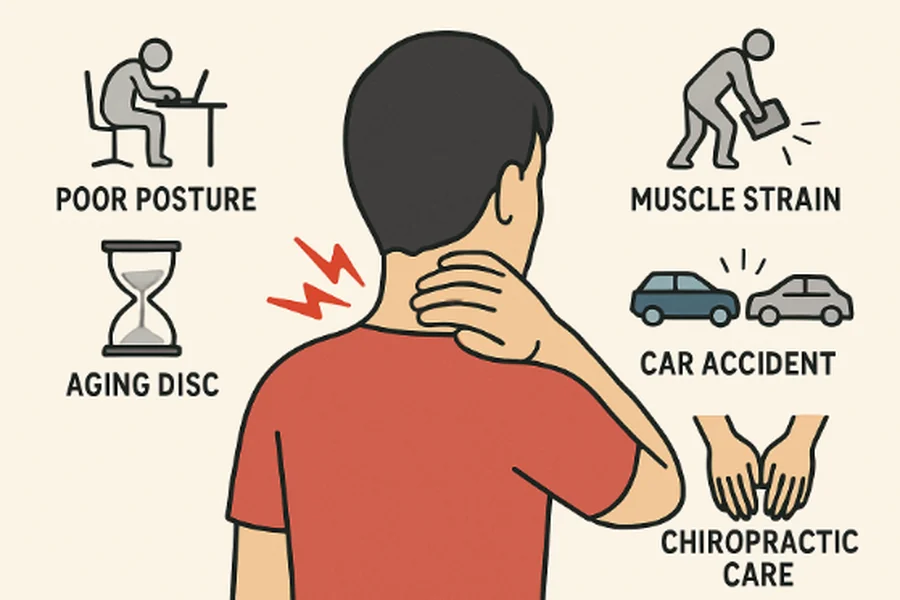
Poor Posture
The increasing reliance on screens has led to a rise in poor posture, with long hours spent on devices like laptops, mobile phones, and tablets causing unnatural spinal alignment and forward head posture. This posture not only stretches and weakens neck muscles but also compresses nerves and soft tissue, causing chronic stiffness and soreness. Over time, poor posture can cause changes in the cervical spine’s natural curve, increasing the risk of long-term pain and mobility issues. To correct this, keep screens at eye level, take micro-breaks every 20-30 minutes, relax your shoulders, avoid slumping or leaning forward, and practice chin tucks and neck stretches to maintain the natural alignment of your cervical spine.
Muscle Strain
Neck muscles are susceptible to strain due to everyday actions like sleeping in awkward positions, carrying heavy bags, and quick movements. This can lead to pain, limited range of motion, and temporary discomfort that can become chronic if not addressed. Physical activities can also contribute to muscle strain if not warmed up beforehand. Strain injuries can escalate if underlying issues persist or worsen with repeated stress. To prevent and relieve neck strain, use supportive pillows, maintain balanced loads, warm up muscles before intense activities or exercise, and try gentle neck and shoulder stretches daily to promote flexibility and combat the effects of immobility or static posture.
Whiplash Injuries
Whiplash is a common neck injury resulting from auto accidents, physical trauma, or sports impact. It can cause pain, stiffness, headaches, and tingling in the arms. If not addressed early, severe cases may cause damage to intervertebral discs or nerves, prolonging the healing process and increasing the likelihood of chronic discomfort. Early recognition and treatment are crucial for successful recovery and long-term spinal health. Treatment involves immediate evaluation, targeted therapy, and a multi-modal rehabilitation program combining manual therapy, physical therapy exercises, and posture training. Preventing future re-injury often consists of learning new movement patterns and improving neck strength, making a comprehensive approach essential for sustainable recovery.
Degenerative Disc Disease
Degenerative disc disease, caused by aging, genetics, and repetitive stress, results in the loss of hydration and flexibility in the neck’s intervertebral discs, making the neck more susceptible to soreness, stiffness, and radiating pain. This can spread to the shoulders or arms, and nerve impingement can cause numbness or tingling in the arms. Early intervention and ongoing care are crucial to slow down the effects, maintain function, and reduce discomfort. Conservative care approaches include low-impact exercises, physical or occupational therapy, and targeted chiropractic interventions. These approaches help maintain spinal flexibility, relieve pressure on vulnerable areas, and address both current symptoms and factors contributing to disc degeneration.
Herniated Discs
Disc herniation is a condition resulting from sudden trauma, improper lifting, or gradual spinal wear. It causes severe neck pain, muscle weakness, and shooting pain, making daily movements difficult or excruciating. Symptoms may include numbness, tingling, or decreased grip strength, indicating nerve root involvement. Early diagnosis and intervention are crucial to reduce the risk of long-term complications or permanent nerve damage. Symptoms can be managed effectively through imaging, manual therapy, gentle stretching, and anti-inflammatory strategies. Cleveland Clinic provides a comprehensive resource on herniated discs for more information on nerve and disc issues impacting neck pain.
How Chiropractic Care Can Help
Chiropractic care addresses underlying musculoskeletal issues, focusing on holistic spinal health. Chiropractors are trained to perform precise spinal manipulations and adjustments that reduce nerve irritation, decompress spinal structures, and encourage proper alignment. These interventions not only relieve pain but also expedite the natural healing process for both acute and chronic neck injuries. Gentle, hands-on techniques can offer relief for a wide spectrum of neck conditions, from mild sprains to post-traumatic injuries like whiplash cases. Notably, chiropractic care is noninvasive, giving many people an alternative to long-term reliance on pain medications or the risks associated with surgery.
The Benefits of Ongoing Chiropractic Support
- Reduces reliance on medication and invasive procedures, providing a safer, drug-free approach to managing pain.
- Improves neck mobility and function, supporting a return to regular activities and improved quality of life.
- Prevents recurring injury by addressing postural and alignment problems before they progress into chronic issues.
- Promotes education about ergonomics and lifestyle choices to protect long-term spinal health, teaching patients how to avoid triggers and maintain the benefits of care.
Chiropractors may also provide at-home exercise recommendations and tips on setting up supportive daily habits, including guidance on workstation ergonomics, proper lifting techniques, and stretching routines. In cases involving pregnancy, sports injuries, or chronic pain, practitioners often integrate care with physicians and other healthcare providers for optimal outcomes, making chiropractic an important component of comprehensive musculoskeletal health.