
Key Takeaways
- Financial crises can disrupt essential payments unexpectedly.
- Emergency loans offer fast, flexible support.
- Responsible borrowing and understanding terms prevent long-term strain.
- Planning with savings and a clear financial plan builds resilience.
What Constitutes a Financial Crisis?
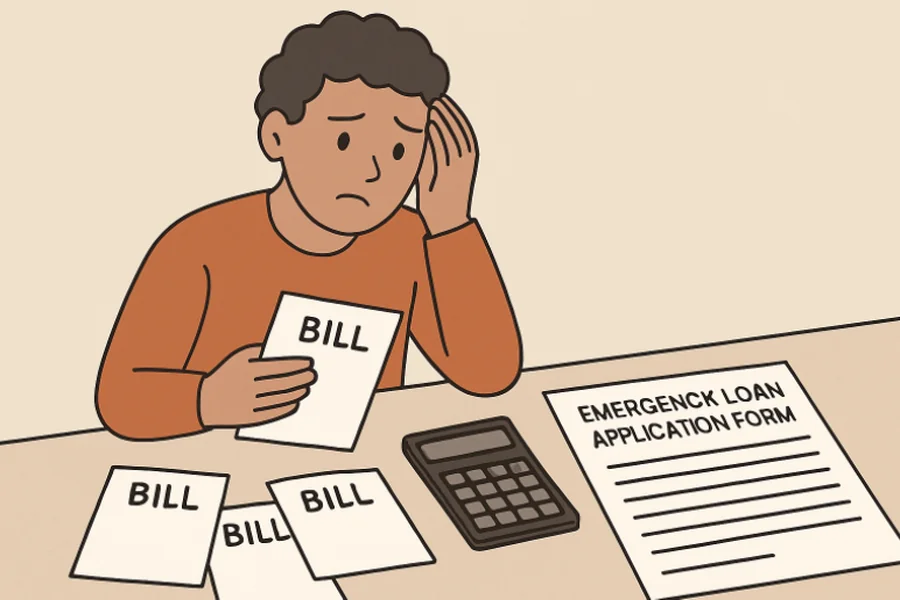
A financial crisis, at the individual or household level, is a sudden disruption in one’s ability to meet essential financial obligations. Common triggers include job loss, unanticipated medical bills, damage from natural disasters, or other unforeseen expenses that rapidly drain available funds. These events can destabilize even the most carefully managed budgets.
When a financial crisis occurs, speed is often crucial. Traditional forms of bank credit may take days to process, and not everyone has a reliable network of friends or family to assist. In these situations, MaxLend loans can offer a fast, flexible option to manage immediate needs and avoid the worst consequences of financial shock.
The Immediate Impacts of Financial Shortfalls
The effects of having insufficient emergency funds are profound. Without reserve cash, families often face choices between critical expenses like paying for housing, utilities, or groceries. These tough decisions may lead to increased stress, anxiety, and unhealthy coping mechanisms, straining family relationships and emotional well-being. Children may also be affected, as financial instability can disrupt daily routines, meals, and schooling.
Shortfalls can also result in lasting impacts—missed rent payments may lead to eviction, skipped medical appointments can worsen health problems, and utility shutoffs pose health and safety risks. For immediate support and services that allow you to apply online, MaxLend loan can provide fast, reliable assistance to help bridge critical gaps and avoid further hardship.
Coping Strategies: How People Typically Respond to Financial Emergencies
In financial emergencies, people typically weigh several options:
- Borrowing from friends and family can offer favorable terms but may jeopardize relationships if repayment falters.
- Cashing out savings is ideal, but not everyone has a cushion.
- Using credit cards carries high interest, which can trap borrowers in a cycle of debt.
- Emergency loans provide fast access with structured repayment plans, helping avoid long-term financial consequences.
Each method presents unique risks and advantages. Emergency loans, especially transparent ones with clear terms, often balance speed and predictability.
What Is an Emergency Loan?
Emergency loans are short-term financial products designed to address urgent needs. Types include installment-based personal loans, payday loan alternatives, credit union emergency options, and some lines of credit. Loan terms vary, but reputable lenders will always make costs and repayment schedules clear up front. Depending on the provider, you might find fixed payments over several months, capped fees, or options to extend your repayment if circumstances change.
Responsible lenders will verify your ability to repay and never require collateral or pressure you into borrowing more than needed. The right loan program matches your timing, cost, and eligibility needs.
The Role of Emergency Loans During Crisis Scenarios
Emergency loans are an essential resource during times of financial upheaval. Imagine needing a car for work when it suddenly breaks down, or facing a sudden medical issue without the funds to cover initial care. In cases like these, rapid access to funds differentiates between overcoming an obstacle and spiraling further into hardship.
Industry data supports the positive role of these products: A Consumer Financial Protection Bureau report notes that short-term, responsible loan products can help maintain day-to-day stability while giving consumers breathing room to recover. Real-life accounts highlight how single parents, gig workers, or families impacted by illness have avoided greater loss or hardship by leveraging emergency loans at a crucial time.
Assessing Eligibility and Responsible Borrowing
Emergency loan providers typically require basic eligibility, such as proof of income, identification, and an active bank account. Some may consider alternative credit measures, increasing access for those with less traditional financial backgrounds.
Borrow only what you can repay within the loan terms, considering your broader financial picture. Responsible borrowing also includes comparing emergency loans to other fast funding sources—like advancing your paycheck or accessing a credit union’s small-dollar program—so you select the best fit for your situation.
Pitfalls to Avoid When Seeking Emergency Funding
Be wary of predatory lenders advertising instant approvals with hidden fees, high APRs, or unclear terms. Always review the fine print and avoid deals that require upfront payments or aggressive sales tactics. Understanding the total cost of borrowing is crucial for protecting your long-term financial health. The CFPB emergency savings guide provides trustworthy tips for building resilience and navigating urgent money needs safely.
When evaluating your emergency funding choices, utilize financial resilience tools and consult reputable nonprofit or government resources. Prioritize transparent and accredited lenders.
Long-Term Benefits of Emergency Loans When Used Wisely
Used responsibly, emergency loans can help you weather immediate financial storms and serve as a bridge to more sustainable solutions. On-time payments may also improve your credit score and establish your reputation with lenders, laying a foundation for greater financial stability after the crisis passes.
Having handled adversity with a well-structured plan, borrowers often emerge with greater budgeting discipline and a clear understanding of their financial limits. Emergency loans are a tool—not a cure-all—but they can catalyze new, positive habits in the right context.
Preparing for the Unexpected
Financial crises are unpredictable, but being prepared makes them manageable. Establishing a mix of strategies—including savings, budgeting, and knowing how to access reputable emergency loans—equips you to respond confidently. Always explore all available options and choose lenders committed to clarity, flexibility, and your long-term well-being.
Consider creating an emergency plan that extends beyond loans. Look to build an emergency fund and turn to reputable sources for guidance when you need help. With forethought, discipline, and the right resources, it’s possible to overcome short-term setbacks and create a more resilient financial future.