
Introduction
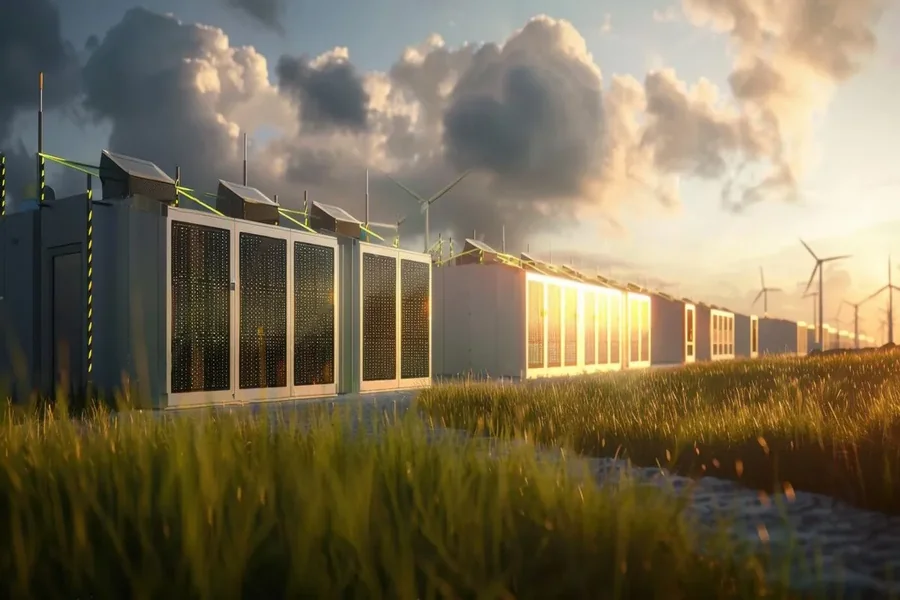
As the world transitions toward cleaner energy, efficiently storing renewable power is becoming increasingly critical. Unpredictable weather patterns and variable energy generation from sources like solar and wind have highlighted the need for more intelligent energy systems. Energy storage stands at the forefront of this innovation, bridging the gap between supply and demand. Modern infrastructure is evolving as cities and industries strive to balance rising energy demands with environmental sustainability. One of the most transformative technologies supporting this shift is renewable energy storage. By offering the flexibility to store and deploy clean energy when needed, these solutions are helping reshape energy grids for a greener future.
As the adoption of renewable energy sources grows, efficient energy storage systems (ESS) are rapidly becoming essential. These systems enable balancing energy production and consumption, driving efficiency, improving grid reliability, and unlocking significant cost benefits. Below, we explore how the integration of ESS fuels progresses toward resilient, economic, and sustainable energy infrastructure.
Enhancing Grid Stability
One of the primary roles of energy storage systems is to enhance grid stability. Traditional power grids face instability due to fluctuations in supply and demand. Without adequate buffers, surges in electricity usage can lead to outages, while excess generation often results in wasted energy. ESS addresses these challenges by capturing surplus energy when demand is low and discharging it during peak times, ensuring a smooth and steady flow of electricity. This prevents blackouts and extends the lifespan of existing grid infrastructure.
Responsive energy storage supports critical services such as frequency regulation and voltage control for large-scale operations like utility companies and citywide grids. By providing immediate access to stored power during infrastructure failures or periods of high load, ESS builds resilience against grid disruptions and natural disasters. The U.S. Department of Energy’s coverage on solar-plus-storage provides additional insights into the importance of grid resilience.
Facilitating Renewable Integration
Integrating renewable energy is key to a sustainable future, but solar and wind are inherently variable depending on the weather and time of day. ESS bridges the gap between production and consumption, storing energy during periods of surplus and making it available when generation drops. This matching of intermittent supply with continuous demand makes a clean, dependable energy mix possible.
Advanced energy storage solutions help utilities overcome the challenge of ramping up or dialing back energy sources, limiting reliance on fossil fuel backup generators. ESS helps optimize the flow of renewables across the grid, making larger-scale adoption feasible without jeopardizing reliability. According to a U.S. Department of Energy report on solar-plus-storage, this synergy is crucial to meeting national and global emissions targets.
Economic Benefits
ESS delivers robust economic advantages for utilities, businesses, and individual consumers. Two leading strategies—peak shaving and load shifting—allow entities to reduce operational costs and avoid investment in expensive peaker plants. Peak shaving entails using stored energy when electricity prices are highest, thus lowering utility bills and reducing pressure on the grid during critical periods. Load shifting, on the other hand, involves saving energy when production costs are lowest and using it during peak times, optimizing overall energy expenditure.
These strategies lower long-term capital and operational expenditures for grid operators and end-users, contributing to more competitive energy markets. For industrial clients and large campuses, integrating ESS can translate into millions in annual savings and reduced exposure to price volatility.
Case Studies
Several real-world projects showcase the tangible benefits of deploying energy storage systems on a grand scale. The Hornsdale Power Reserve in South Australia is a standout example, once the world’s largest lithium-ion battery installation. This facility has repeatedly proven its value by stabilizing grid frequency, providing emergency backup during outages, and generating substantial savings for the market and consumers. Its rapid response capability has also helped avert blackouts, setting a benchmark for future deployments.
In California, large-scale batteries complement solar and wind farms, reducing curtailment and improving grid reliability. Experts project that as technology advances and costs decrease, projects like these will become even more integral to energy strategies worldwide.
Challenges and Considerations
While the advantages of ESS are significant, stakeholders must navigate several obstacles to unlock their full potential. High upfront capital investment remains a leading barrier, even as battery costs decline year-over-year. Additionally, regulations and policy frameworks are still catching up, often creating uncertainty for investors and utilities seeking approval for new projects.
Collaborative policy development, innovation in financing models, and enhanced public awareness are crucial steps toward overcoming these obstacles. Addressing the environmental implications of battery production and disposal remains paramount for sustainable growth.
Integrating energy storage systems in modern infrastructure is a decisive step toward a resilient, reliable, and sustainable energy ecosystem. By advancing grid stability, promoting renewable integration, and delivering economic value, ESS is reshaping how communities power their homes and businesses for the future.
Conclusion
Integrating energy storage systems into modern infrastructure marks a pivotal step toward a more resilient, efficient, and sustainable energy future. These systems help balance supply and demand and reduce dependence on fossil fuels by making renewable energy sources more reliable. They enhance grid stability, support emergency backup during outages, and offer cost-saving benefits for utilities and consumers. As urban populations grow and climate challenges intensify, scalable and flexible energy solutions will be essential for meeting rising demand without compromising environmental goals. By enabling time-shifting of energy use, peak load management, and decentralized energy access, storage technologies empower cities and industries to optimize power usage while lowering emissions. The shift toward smart grids and cleaner infrastructure relies heavily on adopting energy storage, making it a cornerstone of future-ready development. Continued innovation and investment in this space will ensure a cleaner, more secure energy landscape for future generations.