
The Evolution of Paddle Design in Pickleball
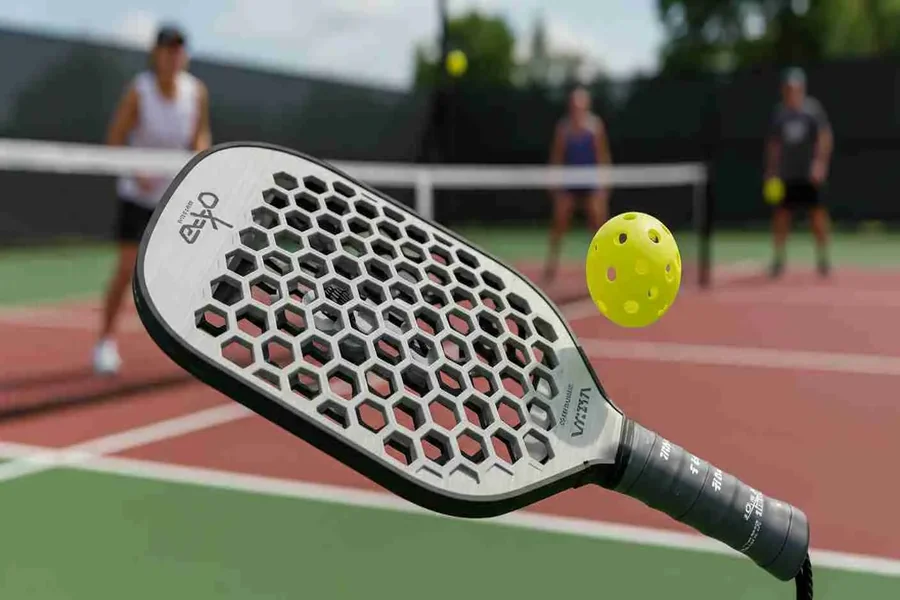
Modern pickleball paddles have changed quickly over just a few seasons. Polymer cores, now favored over loud Nomex, deliver quieter hits and more vibration-damping. Paddle faces also see updates—textured fiberglass and carbon fiber allow for spin-friendly surfaces. Diagonal cross-hatch patterns and varied sandpaper-like coatings improve ball grip. Edge guards, once bulky, now appear slimmer to boost swing speed while shielding the paddle.
Design breakthroughs also shape play. Elongated sweet spots enable more off-center hits to succeed, making returns easier for beginners and pros. Teardrop-shaped paddles, on the other hand, target advanced players seeking whip-like control for flick shots and wristy slices.
A recent tester story shows these advances in action. A 4.0-level player struggled with consistent topspin until trying a paddle with a tacky, rough face. Within two sessions, her roll volleys improved, letting her confidently push into net exchanges. Paddle tech adapts quickly, and so do dedicated players.
Maximizing Power vs. Precision Through Equipment Choices
Paddle specs steer players toward power or precision. Swing weight affects fast drives, or how heavy the paddle feels in motion. Heavier, head-weighted paddles boost smashes, letting power hitters muscle past defenders. Lighter, balanced options give strategic players still hands for drops and dinks.
Consider two player types:
- Power hitter: Chooses thick core, heavier, longer paddles for commanding serves and put-aways.
- Finesse strategist: Prefers thin core, lighter paddles with balanced or slightly head-light feel for delicate resets.
Here’s a quick chart:
| Key Feature | On-Court Benefit |
| High swing weight | Stronger drives |
| Balanced geometry | Quicker hand speed |
| Textured face | Extra spin |
| Oversized sweet spot | Consistent contact |
Choosing the right mix transforms style into match results. Just as paddle specifications shape your playing style, wearing the right pickleball shoes for men can enhance traction, agility, and support—helping both power hitters and finesse strategists perform at their best.
Ergonomics and Grip Configurations to Enhance Endurance
Grip comfort shapes every rally. Paddles now offer narrow to extra-thick grip circumferences, appealing to all hand sizes. Tapered handles fit palm curves, easing wrist strain during quick flicks. Overwraps in absorbent or tacky materials help prevent slips and reduce elbow and wrist fatigue through long sessions.
In humid or cold weather, swapping to moisture-wicking grip tape or padded sleeves keeps the handle steady. A simple towel wrap also helps in a pinch.
Pair grip changes with a quick stretching routine:
- Wrist rotations for 30 seconds.
- Gentle forearm stretches.
- Five-second hand squeezes with a soft ball. This helps hands and forearms adjust to new grip feels, lowering injury risk.
Eco-Friendly Innovations Transforming Paddle Production
Sustainability now shapes paddle manufacturing. Some brands use plant-based resins in cores, recycled graphite layers, or upcycled plastics in edge guards. These swaps lower environmental impact and change play. Plant-based resins can slightly soften paddle faces, giving touch-oriented players a bit more feel, while recycled carbon maintains power but adds a muted, lower-pitched sound.
One leading brand now touts a full carbon-offset plan—trees planted for each paddle sold, plus recycled packaging on delivery. These changes signal that gear selection can align with eco-friendly values without sacrificing performance.
Matching Paddle Attributes to Your Play Style
Choosing the right pickleball paddles depends on your on-court identity. A baseline basher wants strong power, so weight ranges of 8.2-8.5 ounces, thick grips for steady holds, and gritty face textures help smash through blocks.
Net-rushers benefit from midweight paddles (7.5-8.1 ounces), smaller grip circumferences for quick transitions, and softer face materials for controlled drop shots.
All-court tacticians need versatility. Look for balanced paddles (7.8-8.3 ounces), medium grip sizes (4.25-4.375 inches), and moderate face texture for spins and touch.
Ask yourself: Do you win more with deep drives or soft angles? If you feel at home hammering from the back, start with weighted, textured paddles. Do you control play at the net? Test soft, light setups. Stuck in the middle? Try balanced builds for the widest shot range.
Next Steps for Elevating Your Game Gear
Today’s paddles show:
- New core materials shift power and touch.
- Face textures boost spin.
- Geometry options serve different players.
- Ergonomic grips cut fatigue.
- Eco-materials support sustainability.
Test one fresh feature each month to see real impact.
Quick FAQ:
- My paddle feels sluggish—what now? Try lighter weights or a thinner grip to boost speed.
- Grip causing blisters? Change overgrip for better comfort and sweat control.
Track your play for six weeks with each switch. Adjust based on comfort and shot success. The right gear can lead to big improvement in both performance and enjoyment.