
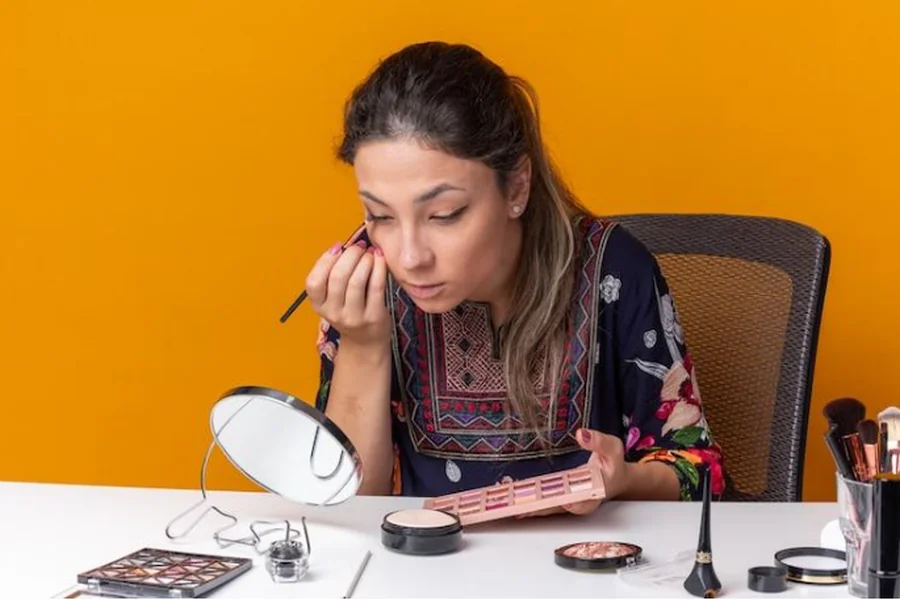
Adding a tint to your brows can completely change your beauty game, saving time in your morning routine while giving your face that crisp, defined look. But let’s be real: sometimes things don’t go as planned. The wrong shade, uneven application, or stains that overstay their welcome can turn a quick beauty fix into a frustrating hassle. Whether experimenting for the first time or looking to sharpen your technique, steering clear of the usual missteps can help you achieve those truly long-lasting results.
This eyebrow tint guide breaks down common brow tint blunders and offers practical, skin-friendly advice to help you navigate them, regardless of skin tone or experience level.
The Most Common Tinting Mistakes (and How to Prevent Them)
-
Choosing the Wrong Shade for Your Skin Tone
Understanding your undertone is key.
- Cool skin tones (pink or bluish): Stick to medium or dark browns without red pigments.
- Warm skin tones (golden or yellowish) are ideal for warmer shades, though these may not be available in every brow tint range.
Note: Always cross-check available product shades. If you’re unsure, start with a neutral brown and build from there.
-
Overapplying or Leaving the Tint on Too Long
More isn’t always better when aiming for a bold look. It might seem like extra product or time will boost the boldness, but in most cases, it leads to overdone results, or worse, stained skin and overly dark brows that don’t quite match your features.
Go light. Apply a thin layer and follow the timing on your brow tint kits. Set a timer and keep an eye on the process as it develops.
-
Applying Without a Barrier or Patch Test
Skipping a patch test or ignoring a protective barrier can backfire quickly, think irritation, allergic reactions, or tint stains on your skin.
Pro tip: Swipe a thin layer of eyebrow wax and petroleum jelly around your brow edges before tinting. Always do a patch test at least 24 hours in advance.
Ingredient Awareness: Stick to What Works
When tinting at home, check the ingredients carefully:
Henna-based tints (like Natural Henna Brow Tint) – Ideal for a more natural look.
Semi-permanent tints – Chemical-based dyes formulated for facial use, like RefectoCil.
Lash tints used on brows – Avoid this suggestion; lash tints aren’t specifically designed or marketed for brows by the client.
Professional mixes – Custom “pro blends” are not part of the store’s product range and have been removed from this article.
Also, never use hair dye on brows—these are too harsh for delicate facial skin.
What to Expect from Different Tint Types
| Tint Type | Fading Pattern | Best For |
| Henna | Soft fade | Natural, fuller look |
| Semi-Permanent Dye | May fade unevenly | Classic tint users |
Brow Tint Aftercare Tips (Updated)
Proper aftercare helps preserve color and maintain brow health:
- Avoid oil-based cleansers for the first 48 hours.
- Limit sun exposure, heavy sweating, and exfoliation near your brows during the first few days.
- Avoid makeup or waxing in the brow area for at least 2–3 days.
- Brush your brows gently each day to maintain their shape.
- Reapply tint every 3–4 weeks to maintain your desired shade and definition.
These steps are not only essential for longevity, but also key for reducing skin irritation and fading.
DIY vs. Professional: What’s the Right Approach?
More people are turning to at-home kits, but does that mean it’s the best option for everyone?
| Feature | Home Kits | Professional Services |
| Cost | Lower upfront | Higher, varies by salon |
| Customization | Limited to the kit range | Tailored to your features |
| Risk of Error | Moderate (requires care) | Low (in expert hands) |
| Shade Matching | Self-assessed | Done by professionals |
Ingredient Awareness: Not All Tints Are Created Equal
When tinting at home, don’t just grab any dye. Read the ingredient list closely. Some formulas use henna (a natural option), while others are semi-permanent chemical blends containing oxidizers or developers.
Avoid anything with strong preservatives or vague synthetic fragrances. And never use hair dye on your brows, it’s not made for delicate facial skin.
FAQs: Eyebrow Tinting Troubleshooting
Can tinting make my brows look too dark?
Yes, especially if you overdo the application or choose the wrong shade. Start light, you can always build up if needed.
What if my skin stains after tinting?
A gentle exfoliant or witch hazel-based toner can help. To prevent it, use petroleum jelly around your brows next time.
Is tinting safe for all skin types?
Generally, yes, but always do a patch test, particularly if you have sensitive or allergy-prone skin.
Can I tint over grey hairs?
Absolutely. Just note that some greys may resist dye, so use a semi-permanent tint to tackle grey strands. For stubborn cases, professional help might be best.
Final Thought
When done with care, eyebrow tinting isn’t just a cosmetic upgrade; it’s an enhancing confidence boost that celebrates your natural beauty. The key is understanding your skin, choosing shades wisely, and trusting the process. Whether you go pro or DIY, each tint session is a chance to highlight your features and dodge the dreaded tint trap.