
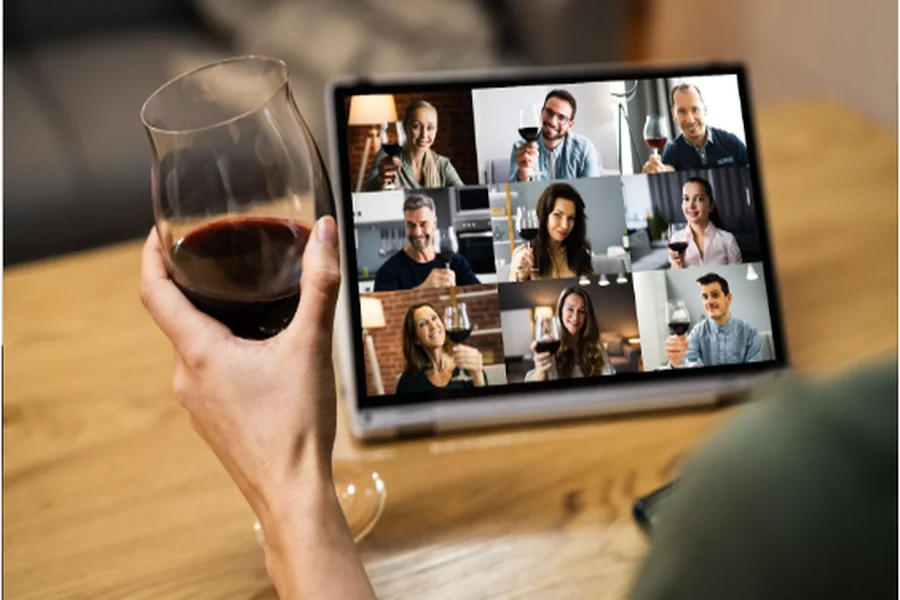
Virtual events can sometimes feel a bit cold or distant, right? But what if there was a simple way to make them more warm, fun, and memorable? That’s where creative and personal e-cards come in. They’re a fresh, easy way to add a special touch to your online gatherings. Whether it’s a birthday, celebration, or just a thank you, e-cards help you connect and show you care, even from afar. In this post, we’ll explore how using these digital cards can truly transform your virtual events and bring people closer, no matter the distance.
The Evolution of Virtual Events and Digital Invitations
The virtual event industry has fundamentally shifted since 2020, creating new challenges and opportunities for organizers worldwide.
Virtual Event Landscape in 2025
Virtual events aren’t going anywhere. Companies have discovered that hybrid and fully virtual formats offer unprecedented flexibility and cost savings. However, this shift has created a saturation problem—your audience receives dozens of generic event invitations weekly.
The challenge isn’t just standing out anymore. It’s about creating genuine anticipation and connection in a crowded digital space. Traditional event marketing relied heavily on physical presence and word-of-mouth buzz. Now, everything depends on that first digital touchpoint.
Utilizing group ecards has become a popular method for organizations that want to build community excitement before their events begin. These collaborative invitation experiences allow team members to contribute messages, creating shared ownership of the event experience.
Digital Invitations vs Traditional Methods
Digital invitations have completely replaced paper invites for most virtual events, but many organizers still treat them like digital versions of print materials. This misses the point entirely. Digital formats allow for dynamic content, personalization at scale, and interactive elements that paper simply can’t match.
The cost difference is staggering too. While traditional invitations can cost several dollars per recipient when you factor in design, printing, and postage, digital alternatives cost pennies. This budget flexibility allows event organizers to invest more in personalization and creative elements that actually drive attendance.
Understanding these dramatic shifts in virtual event preferences sets the stage for a crucial question: what psychological triggers make some digital invitations irresistible while others get deleted instantly?
Psychology Behind Personalized E-Cards for Virtual Events
The human brain processes visual information 60,000 times faster than text, making your e-cards for events critical for first impressions.
Emotional Connection Through Digital Touchpoints
People don’t attend events; they attend experiences they believe will matter to them personally. Personalized e-cards tap into this by creating immediate emotional resonance. When someone sees their name, role, or specific interests reflected in an invitation, their brain releases dopamine, the same chemical associated with anticipation and reward.
Research from the Society for Human Resource Management (SHRM) shows that 68% of HR professionals say that kudos employee recognition positively impacts retention. This same principle applies to event invitations, recognition, and personalization to create attachment.
Color psychology plays a huge role here too. Warm colors like orange and red create urgency, while blues and greens suggest trust and stability. The key is matching your color choices to your event’s emotional goals.
First Impression Impact on Virtual Event Attendance
You have approximately seven seconds to capture someone’s attention with your digital invitation. That’s not much time to communicate value, create interest, and motivate action. Creative e-cards excel here because they can convey complex information through visual storytelling rather than lengthy text descriptions.
The cognitive load theory suggests that people can only process limited information at once. Effective event e-cards reduce this load by using visual hierarchy, clear messaging, and strategic white space to guide the reader’s attention exactly where you want it.
Armed with insights into the psychology of digital connection, it’s time to translate these principles into concrete design and content elements that consistently drive virtual event registrations.
Essential Elements of High-Converting Creative E-Cards
Converting recipients from passive readers to active attendees requires strategic design and content decisions.
Visual Design Components That Drive Action
Typography choices can make or break your invitation’s effectiveness. Sans-serif fonts like Helvetica or Open Sans work best for digital screens, while script fonts should be used sparingly for accent text only. Font size hierarchy helps readers scan quickly, headlines should be at least 24pt, while body text shouldn’t drop below 14pt.
Interactive elements and micro-animations can significantly boost engagement rates. Subtle hover effects, animated CTAs, or countdown timers create a sense of dynamism that static images can’t match. However, these elements must load quickly across all devices and email clients.
Color contrast is non-negotiable for accessibility. Your text must have a contrast ratio of at least 4.5:1 against its background. This isn’t just about compliance, it ensures your message reaches everyone effectively.
Content Strategy for Maximum Engagement
Your subject line determines whether your e-card gets opened at all. Compelling subject lines often include specific benefits, create urgency, or pose intriguing questions. “Join 500+ marketers discovering AI trends Tuesday” works better than “Marketing Webinar Invitation.”
The event value proposition must be crystal clear within the first few seconds of viewing. What will attendees gain that they can’t get elsewhere? Social proof elements like speaker credentials, past attendee testimonials, or registration numbers help establish credibility quickly.
While these foundational elements create effective e-cards, today’s most successful virtual events leverage advanced personalization techniques that make each recipient feel like the invitation was crafted exclusively for them.
Advanced Personalization Strategies for Virtual Event E-Cards
Modern personalization goes far beyond inserting someone’s first name in the greeting.
Dynamic Content Customization
AI-powered personalization tools can now analyze recipient behavior data to customize entire e-card experiences. If someone typically attends morning sessions, their invitation might highlight breakfast networking opportunities. Frequent tech conference attendees might see content emphasizing cutting-edge tools and demos.
Behavioral data integration allows you to reference past interactions naturally. “Since you loved our session on content strategy last month,” feels much more personal than generic event descriptions. Geographic and demographic targeting ensure your messaging resonates with local customs and professional contexts.
Multi-Language and Cultural Adaptation
Localization involves more than translation. Cultural sensitivity in design choices—like color meanings, reading patterns, and imagery, can dramatically impact response rates. Time zone optimization means scheduling delivery when recipients are most likely to be checking email actively.
Different cultures have varying expectations for formality, directness, and call-to-action language. What works in Silicon Valley might completely miss the mark in Tokyo or London. Testing different approaches across demographic segments helps identify what resonates best with each audience.
When it comes to fostering even greater anticipation and camaraderie, group ecards offer a powerful strategy by harnessing collective excitement and transforming your invitation into a community-building experience before the event even takes place.
Final Thoughts on E-Card Event Success
Virtual events succeed when they feel personal and valuable from the very first interaction. Creative e-cards, personalized e-cards, and strategic digital invitations aren’t just fancy marketing tools, they’re essential bridges between your content and your audience’s attention. The organizations mastering e-cards for events today are building stronger communities, seeing higher attendance rates, and creating lasting impressions that extend far beyond single events. Your next virtual event’s success starts with that first personalized touchpoint.
Quick Answers About Virtual Event E-Cards
How do personalized e-cards improve virtual event attendance compared to standard invitations?
Personalized e-cards create emotional connections that generic invitations can’t match, resulting in 15-30% higher open rates and significantly improved attendance rates.
What are the best practices for timing e-card delivery for maximum impact?
Send initial invitations 3-4 weeks before your event, follow up one week prior, and send final reminders 24 hours beforehand during peak email hours.
How can small businesses create professional-looking, creative e-cards without a design team?
Use templates from platforms like Canva or Adobe Express, maintain consistent branding elements, and focus on clear messaging over complex design flourishes.